South Asia Cost of Living April 2012

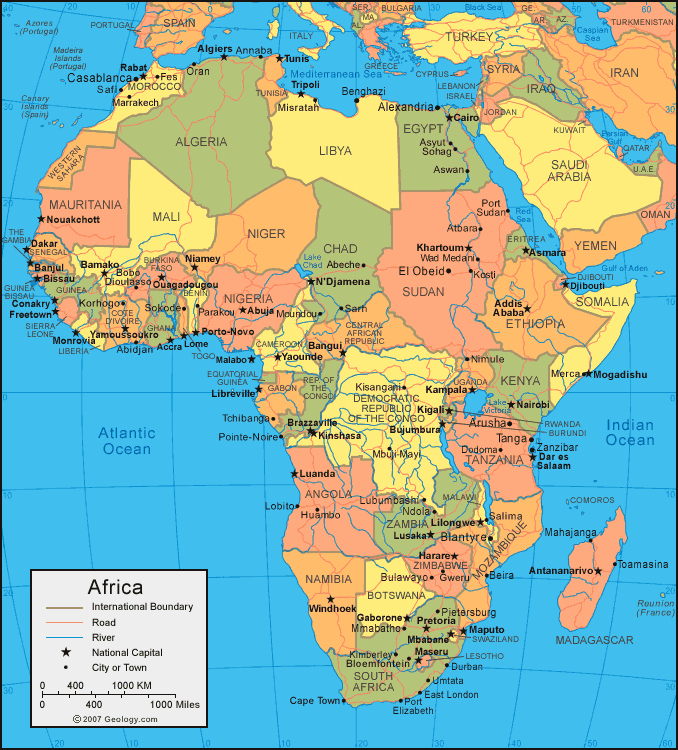
ImageThe South Asia region does not fall within the top 50 most expensive places to live in the world, India Mumbai and New Delhi are at  366 and 381 respectively, with Sri Lanka, Colombo 390 of the 780 locations.  

The latest international cost of living rankings are based on data collected during the past 3 months for 780 international locations, covering every country world-wide. 
 
The cost of living (COL) data collected is representative of an expatriate lifestyle. The components of the COL data are local prices for fixed quantities of the same goods and services in each location, local inflation and exchange rates. Prices in each location are affected by availability (i.e. supply & demand) as well as local pricing regulations and taxes on goods and services (e.g.premiums on luxury brands). Local inflation is usually representative of local price increases which in turn impacts an expatriates purchasing power in the host country. The exchange rate impacts both the price of imports to the host country and the expatriate assignment salary calculation between the home and host country. The cost of living has a significant impact on the purchasing power of an expatriate’s salary package.
 
About Xpatulator.com’s Cost of Living Data
Xpatulator.com’s cost of living data is based on prices for the same quantity and quality of goods and services, representative of expatriate lifestyle, in each city. The data is collected and updated on a quarterly basis. The cost of living data is used by Xpatulator.com clients to calculate salary purchasing power parity, cost of living allowances, and customized (i.e. clients can select their own base city) cost of living indexes for expatriate assignments online, using Xpatulator.com’s 3 premium content calculators.
 
The 13 basket groups do not count equally and are weighted according to expatriate expenditure norms as follows (weighting percentage is in brackets):
 
1. Alcohol & Tobacco (2%): Alcoholic beverages and tobacco products.
2. Clothing (2.5%): Clothing and footwear products.
3. Communication (2%): Telephone, Internet, Mobile Contract and Calls.
4. Education (5%): Creche Fees, School Fees, College Fees, and Tertiary Study Fees.
5. Furniture & Appliances (5%): Furniture, household equipment and appliances.
6. Groceries (16.5%): Food, non-alcoholic beverages and cleaning materials.
7. Healthcare (5%): Doctor Consultation rates, Private Ward Rate, Prescription Medicine, and Private Medical Insurance Contributions.
8. Household (30%): Housing rental, utilities, local rates and residential taxes.
9. Miscellaneous (3%): Stationary, Linen and general goods and services.
10. Personal Care (3%): Personal Care products and services.
11. Recreation & Culture (6%): Books, Camera Film, Cinema Ticket, DVD and CD’s, Sports goods, Theatre Tickets.
12. Restaurants Meals Out and Hotels (2%): Dinner at Restaurant (non fast food), Hotel Rates, Take Away, Drinks & Snacks (fast Food).
13. Transport (18%): Public Transport, Vehicle Costs, Vehicle Fuel, Vehicle Insurance and Vehicle Maintenance.
 
About Xpatulator.com
Xpatulator.com is the most comprehensive source of international cost of living information. We provide free international cost of living overviews and rank information covering 13 cost of living baskets and every country around the world as well as premium content calculators.
 
Founded in 2007, Xpatulator.com’s mission is to organize the world’s cost of living indices, exchange rates and relative hardship indices and make it accessible and useful to all.
 
Posted in Uncategorized | Tagged , , , , | Comments Off on South Asia Cost of Living April 2012

Middle East Cost of Living Rankings for April 2012

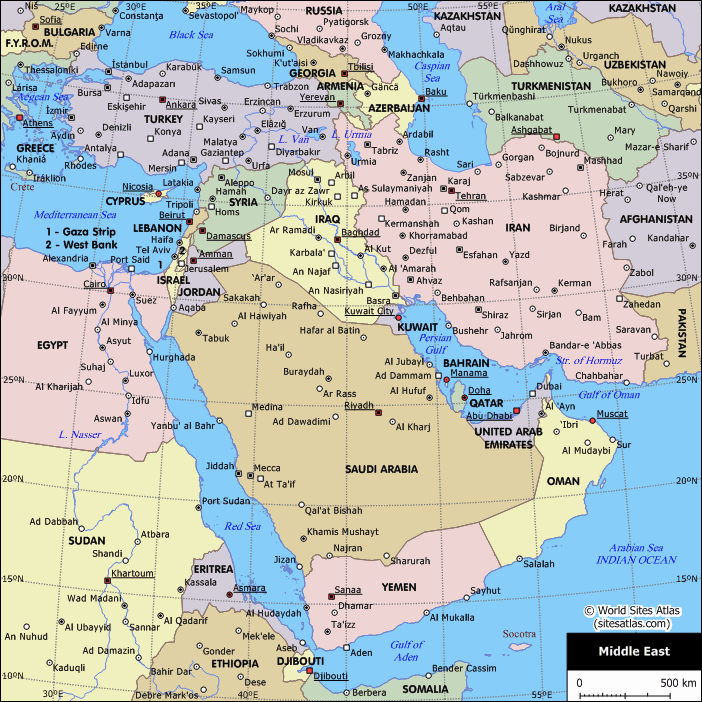
Middle East region does not fall within the top 50 most expensive places to live in the world, with the UAE, Abu Dhabi coming in at 72nd on the list and Qatar, Doha at The Middle East region does not fall within the top 50 most expensive places to live in the world, with the UAE, Abu Dhabi coming in at 72nd on the list and Qatar, Doha at 131st.

The latest international cost of living rankings are based on data collected during the past 3 months for 780 international locations, covering every country world-wide.

The cost of living (COL) data collected is representative of an expatriate lifestyle. The components of the COL data are local prices for fixed quantities of the same goods and services in each location, local inflation and exchange rates. Prices in each location are affected by availability (i.e. supply & demand) as well as local pricing regulations and taxes on goods and services (e.g.premiums on luxury brands). Local inflation is usually representative of local price increases which in turn impacts an expatriates purchasing power in the host country. The exchange rate impacts both the price of imports to the host country and the expatriate assignment salary calculation between the home and host country. The cost of living has a significant impact on the purchasing power of an expatriate’s salary package.

The top 20 Most expensive places to live in the Middle East – Overall Cost of Living & All Baskets:
1. United Arab Emirates, Abu Dhabi
2. United Arab Emirates, All Areas
3. Qatar, Doha
4. Iran, Tehran
5. Qatar, All Areas
6. United Arab Emirates, Dubai
7. Bahrain, Manama
8. Lebanon, Beirut
9. Israel, Jerusalem
10. Kuwait, Kuwait City
11. Bahrain, All Areas
12. Israel, All Areas
13. Kuwait, All Areas
14. Lebanon, All Areas
15. Palestinian Territories, West Bank
16. Iran, All Areas
17. Syria, Damascus
18. Palestinian Territories, All Areas
19. Oman, Muscat
20. Jordan, Amman

About Xpatulator.com’s Cost of Living Data
Xpatulator.com’s cost of living data is based on prices for the same quantity and quality of goods and services, representative of expatriate lifestyle, in each city. The data is collected and updated on a quarterly basis. The cost of living data is used by Xpatulator.com clients to calculate salary purchasing power parity, cost of living allowances, and customized (i.e. clients can select their own base city) cost of living indexes for expatriate assignments online, using Xpatulator.com’s 3 premium content calculators.

The 13 basket groups do not count equally and are weighted according to expatriate expenditure norms as follows (weighting percentage is in brackets):

1. Alcohol & Tobacco (2%): Alcoholic beverages and tobacco products.
2. Clothing (2.5%): Clothing and footwear products.
3. Communication (2%): Telephone, Internet, Mobile Contract and Calls.
4. Education (5%): Creche Fees, School Fees, College Fees, and Tertiary Study Fees.
5. Furniture & Appliances (5%): Furniture, household equipment and appliances.
6. Groceries (16.5%): Food, non-alcoholic beverages and cleaning materials.
7. Healthcare (5%): Doctor Consultation rates, Private Ward Rate, Prescription Medicine, and Private Medical Insurance Contributions.
8. Household (30%): Housing rental, utilities, local rates and residential taxes.
9. Miscellaneous (3%): Stationary, Linen and general goods and services.
10. Personal Care (3%): Personal Care products and services.
11. Recreation & Culture (6%): Books, Camera Film, Cinema Ticket, DVD and CD’s, Sports goods, Theatre Tickets.
12. Restaurants Meals Out and Hotels (2%): Dinner at Restaurant (non fast food), Hotel Rates, Take Away, Drinks & Snacks (fast Food).
13. Transport (18%): Public Transport, Vehicle Costs, Vehicle Fuel, Vehicle Insurance and Vehicle Maintenance.

About Xpatulator.com
Xpatulator.com is the most comprehensive source of international cost of living information. We provide free international cost of living overviews and rank information covering 13 cost of living baskets and every country around the world as well as premium content calculators.

Founded in 2007, Xpatulator.com’s mission is to organize the world’s cost of living indices, exchange rates and relative hardship indices and make it accessible and useful to all
.

The latest international cost of living rankings are based on data collected during the past 3 months for 780 international locations, covering every country world-wide.

The cost of living (COL) data collected is representative of an expatriate lifestyle. The components of the COL data are local prices for fixed quantities of the same goods and services in each location, local inflation and exchange rates. Prices in each location are affected by availability (i.e. supply & demand) as well as local pricing regulations and taxes on goods and services (e.g.premiums on luxury brands). Local inflation is usually representative of local price increases which in turn impacts an expatriates purchasing power in the host country. The exchange rate impacts both the price of imports to the host country and the expatriate assignment salary calculation between the home and host country. The cost of living has a significant impact on the purchasing power of an expatriate’s salary package.

The top 20 Most expensive places to live in the Middle East – Overall Cost of Living & All Baskets:

United Arab Emirates, Abu Dhabi

United Arab Emirates, All Areas

Qatar, Doha

Iran, Tehran

Qatar, All Areas

United Arab Emirates, Dubai

Bahrain, Manama

Lebanon, Beirut

Israel, Jerusalem

Kuwait, Kuwait City

Bahrain, All Areas

Israel, All Areas

Kuwait, All Areas

Lebanon, All Areas

Palestinian Territories, West Bank

Iran, All Areas

Syria, Damascus

Palestinian Territories, All Areas

Oman, Muscat

Jordan, Amman

About Xpatulator.com’s Cost of Living Data

Xpatulator.com’s cost of living data is based on prices for the same quantity and quality of goods and services, representative of expatriate lifestyle, in each city. The data is collected and updated on a quarterly basis. The cost of living data is used by Xpatulator.com clients to calculate salary purchasing power parity, cost of living allowances, and customized (i.e. clients can select their own base city) cost of living indexes for expatriate assignments online, using Xpatulator.com’s 3 premium content calculators.

The 13 basket groups do not count equally and are weighted according to expatriate expenditure norms as follows (weighting percentage is in brackets):

1. Alcohol & Tobacco (2%): Alcoholic beverages and tobacco products.

2. Clothing (2.5%): Clothing and footwear products.

3. Communication (2%): Telephone, Internet, Mobile Contract and Calls.

4. Education (5%): Creche Fees, School Fees, College Fees, and Tertiary Study Fees.

5. Furniture & Appliances (5%): Furniture, household equipment and appliances.

6. Groceries (16.5%): Food, non-alcoholic beverages and cleaning materials.

7. Healthcare (5%): Doctor Consultation rates, Private Ward Rate, Prescription Medicine, and Private Medical Insurance Contributions.

8. Household (30%): Housing rental, utilities, local rates and residential taxes.

9. Miscellaneous (3%): Stationary, Linen and general goods and services.

10. Personal Care (3%): Personal Care products and services.

11. Recreation & Culture (6%): Books, Camera Film, Cinema Ticket, DVD and CD’s, Sports goods, Theatre Tickets.

12. Restaurants Meals Out and Hotels (2%): Dinner at Restaurant (non fast food), Hotel Rates, Take Away, Drinks & Snacks (fast Food).

13. Transport (18%): Public Transport, Vehicle Costs, Vehicle Fuel, Vehicle Insurance and Vehicle Maintenance.

About Xpatulator.com

Xpatulator.com is the most comprehensive source of international cost of living information. We provide free international cost of living overviews and rank information covering 13 cost of living baskets and every country around the world as well as premium content calculators.

Founded in 2007, Xpatulator.com’s mission is to organize the world’s cost of living indices, exchange rates and relative hardship indices and make it accessible and useful to all.

Posted in cost of living rankings | Tagged , , , , | Comments Off on Middle East Cost of Living Rankings for April 2012

Asia-Pacific Cost of Living Rankings for April 2012

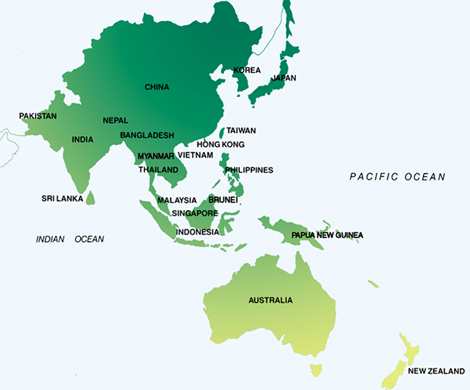
ImageThe most expensive place to live in April 2012 is Tokyo based on the overall cost of living, encompassing all cost of living baskets. As the overall most expensive place to live, Tokyo has an overall cost of living index of 151.23, followed by Hong Kong with 145.93 in the Asia-Pacific area.
 
 
The latest international cost of living rankings are based on data collected during the past 3 months for 780 international locations, covering every country world-wide. 
 
The cost of living (COL) data collected is representative of an expatriate lifestyle. The components of the COL data are local prices for fixed quantities of the same goods and services in each location, local inflation and exchange rates. Prices in each location are affected by availability (i.e. supply & demand) as well as local pricing regulations and taxes on goods and services (e.g.premiums on luxury brands). Local inflation is usually representative of local price increases which in turn impacts an expatriates purchasing power in the host country. The exchange rate impacts both the price of imports to the host country and the expatriate assignment salary calculation between the home and host country. The cost of living has a significant impact on the purchasing power of an expatriate’s salary package.


The top 20 Most expensive places to live in Asia-Pacific – Overall Cost of Living & All Baskets:
  1. Japan, Tokyo
  2. China, Hong Kong
  3. Japan, Yokohama
  4. Australia, Sydney
  5. Japan, Osaka
  6. Australia, Canberra
  7. Japan, Nagoya
  8. Japan, Kobe
  9. Japan, Kyoto
  10. Japan, Kawasaki
  11. Australia, Perth
  12. Australia, Melbourne
  13. China, Shanghai
  14. Singapore, Singapore
  15. Japan, Fukuoka
  16. Australia, Brisbane
  17. Japan, All Areas
  18. Japan, Sapporo
  19. New Zealand, Wellington
  20. New Zealand, Auckland
About Xpatulator.com’s Cost of Living Data
Xpatulator.com’s cost of living data is based on prices for the same quantity and quality of goods and services, representative of expatriate lifestyle, in each city. The data is collected and updated on a quarterly basis. The cost of living data is used by Xpatulator.com clients to calculate salary purchasing power parity, cost of living allowances, and customized (i.e. clients can select their own base city) cost of living indexes for expatriate assignments online, using Xpatulator.com’s 3 premium content calculators.
 
The 13 basket groups do not count equally and are weighted according to expatriate expenditure norms as follows (weighting percentage is in brackets):
 
1. Alcohol & Tobacco (2%): Alcoholic beverages and tobacco products.
2. Clothing (2.5%): Clothing and footwear products.
3. Communication (2%): Telephone, Internet, Mobile Contract and Calls.
4. Education (5%): Creche Fees, School Fees, College Fees, and Tertiary Study Fees.
5. Furniture & Appliances (5%): Furniture, household equipment and appliances.
6. Groceries (16.5%): Food, non-alcoholic beverages and cleaning materials.
7. Healthcare (5%): Doctor Consultation rates, Private Ward Rate, Prescription Medicine, and Private Medical Insurance Contributions.
8. Household (30%): Housing rental, utilities, local rates and residential taxes.
9. Miscellaneous (3%): Stationary, Linen and general goods and services.
10. Personal Care (3%): Personal Care products and services.
11. Recreation & Culture (6%): Books, Camera Film, Cinema Ticket, DVD and CD’s, Sports goods, Theatre Tickets.
12. Restaurants Meals Out and Hotels (2%): Dinner at Restaurant (non fast food), Hotel Rates, Take Away, Drinks & Snacks (fast Food).
13. Transport (18%): Public Transport, Vehicle Costs, Vehicle Fuel, Vehicle Insurance and Vehicle Maintenance.
 
About Xpatulator.com
Xpatulator.com is the most comprehensive source of international cost of living information. We provide free international cost of living overviews and rank information covering 13 cost of living baskets and every country around the world as well as premium content calculators.
 
Founded in 2007, Xpatulator.com’s mission is to organize the world’s cost of living indices, exchange rates and relative hardship indices and make it accessible and useful to all.

Posted in Uncategorized | Tagged , , , , , | Comments Off on Asia-Pacific Cost of Living Rankings for April 2012

How Does Your Salary Compare?

Most of us spend much of our time working for a salary. The average person will spend close to 40 years earning a salary of some sort. Do we spend enough time and effort making sure what we get paid is adequate? People who are in organized labour such as unions, are often made aware of the impact of inflation on their purchasing power, and the value of their benefits, over time. When you work in a profession or trade for a long period of time most people get a sense of what the market pays. This may be from listening to people complain about being under paid or boasting about the new job they just landed. We also get a sense of what the market pays from job adverts in newspapers or online. Increasingly, especially amongst the younger generation, people openly compare payslips while having lunch in the company canteen. These snippets of salary information lead us to feel either adequately paid or more likely under paid. Most of us tend to over estimate our value and as a result feel we do not earn enough. How much is enough? A little bit more?

It is much more difficult to get a sense of how our salary compares when we move to an unfamiliar environment. When you move to a new country, city or state it becomes much more difficult to compare your current salary to what you have been offered because the cost of living will also be different and that affects your purchasing power. If you are offered a salary that is 10% higher, it looks really attractive, but is it really? What if your cost of living was 20% higher? What if you have to pay for items you don’t have to pay for now? What if you have to pay more tax? Of course the opposite could also be true. If you are offered a salary that is 10% lower, it looks really unattractive, but is it really? What if your cost of living was 20% lower? What if you have to pay for less items than you pay for now? What if you have also paid less tax? All these factors make comparing salaries when relocating challenging.

A useful tool to help people who need cost of living information to help them calculate cost of living differences and compare salary purchasing power is the salary purchasing power parity calculator (SPPP) report from Xpatulator.com.

Image

John Hunt, a Financial Manager in Houston, recently had a salary offer from a large multinational headquartered in Dubai. He was pretty happy with the salary offer of $120,000, tax free, as this was equal to his gross salary in Houston. His net (after tax) salary was $92,000 in Houston. In addition he was offered a housing allowance, which with the low rentals in Dubai would be more than adequate. That would mean he could rent out his home in Houston to cover his mortgage. He would also receive medical insurance and an annual return air ticket to Houston and 5 weeks annual leave each year.

Although he was excited about the offer of $120,000 tax free, he was not sure how far that would go in Dubai compared to his net salary of $92,000 in Houston and decided to use the SPPP calculator to see how his offer compared to his current purchasing power.

He had previously registered on http://www.xpatulator.com/ so he logged in using his username and password. He clicked on the “Purchase Credits” menu and within 10 minutes had a credit loaded using PayPal and was ready to run his report. From the “Calculators” menu he choose the Salary Purchasing Power Parity Calculator (SPPP): The SPPP report calculates how much you need to earn in another location to compensate for a higher cost of living, hardship, and the exchange rate, in order to have the same relative spending power and as a result have a similar standard of living as you have in your current location.

John was prompted for a reference for his report to help him identify his reports for future reference. He then selected Houston as the location that he was being relocated from and Dubai as the location that he was relocating to.

Image
Next John selected the basket costs that will he will pay for from his salary and selected Household and Healthcare as provided for by his employer. John read that basket costs that are provided such as in his case, household and healthcare costs, are not included in the cost of living calculation.

John then selected US Dollars as the currency and entered his net salary of 92,000 in Houston so that he could compare this to the net salary offer in Dubai for a more accurate comparison

Having checked all his selections in the calculator John clicked on “Run Report”. Within a few minutes Xpatulator.com displayed his report. He saved a PDF version and had a look at what the report contained. This is what he learned:

*For the basket he selected (excluding Housing and Healthcare) Dubai is 8.78% more expensive than Houston
*The relative hardship (quality of living) between Houston and Dubai is 10%
*Applying the cost of living difference based on what will be paid from salary, together with the hardship difference, the Xpatulator calculation is as follows:

Home/Current location salary          $ 92,000.00
+ Cost of living difference (8.78%)  $   8,077.60
+ Hardship Difference (10%)           $   9,200.00
Total                                              $109,277.60

This means, based on all the above factors, that John would require a net salary of $109,277.60 in Dubai to have the same standard of living as currently enjoyed in Houston on a net salary of $92,000. This salary compensates for the overall cost of living difference of 8.78% and the hardship difference of 10%.

Given the offer of $120,000, John calculated that he would have an increased purchasing power of approximately 9.8% and accepted the job, confident that he would be better off financially, in addition to the better career prospects the new job was likely to bring.

Posted in cost of living rankings, Salary Purchasing Power Parity | Tagged , , | Comments Off on How Does Your Salary Compare?

The America’s Cost of Living Rankings for April 2012

ImageBrazil – Sao Paulo and Rio de Janeiro come in fifth and ninth respectively as two of the overall most expensive places to live in the world, with Caracas, Venezuela coming in sixth. 

 
Of the top 50 most expensive destinations to live based on the overall cost of living, the Americas have 8 locations listed. 


The latest international cost of living rankings are based on data collected during the past 3 months for 780 international locations, covering every country world-wide. 
 
The cost of living (COL) data collected is representative of an expatriate lifestyle. The components of the COL data are local prices for fixed quantities of the same goods and services in each location, local inflation and exchange rates. Prices in each location are affected by availability (i.e. supply & demand) as well as local pricing regulations and taxes on goods and services (e.g.premiums on luxury brands). Local inflation is usually representative of local price increases which in turn impacts an expatriates purchasing power in the host country. The exchange rate impacts both the price of imports to the host country and the expatriate assignment salary calculation between the home and host country. The cost of living has a significant impact on the purchasing power of an expatriate’s salary package.
 
About Xpatulator.com’s Cost of Living Data
Xpatulator.com’s cost of living data is based on prices for the same quantity and quality of goods and services, representative of expatriate lifestyle, in each city. The data is collected and updated on a quarterly basis. The cost of living data is used by Xpatulator.com clients to calculate salary purchasing power parity, cost of living allowances, and customized (i.e. clients can select their own base city) cost of living indexes for expatriate assignments online, using Xpatulator.com’s 3 premium content calculators.
 
The 13 basket groups do not count equally and are weighted according to expatriate expenditure norms as follows (weighting percentage is in brackets):
 
1. Alcohol & Tobacco (2%): Alcoholic beverages and tobacco products.
2. Clothing (2.5%): Clothing and footwear products.
3. Communication (2%): Telephone, Internet, Mobile Contract and Calls.
4. Education (5%): Creche Fees, School Fees, College Fees, and Tertiary Study Fees.
5. Furniture & Appliances (5%): Furniture, household equipment and appliances.
6. Groceries (16.5%): Food, non-alcoholic beverages and cleaning materials.
7. Healthcare (5%): Doctor Consultation rates, Private Ward Rate, Prescription Medicine, and Private Medical Insurance Contributions.
8. Household (30%): Housing rental, utilities, local rates and residential taxes.
9. Miscellaneous (3%): Stationary, Linen and general goods and services.
10. Personal Care (3%): Personal Care products and services.
11. Recreation & Culture (6%): Books, Camera Film, Cinema Ticket, DVD and CD’s, Sports goods, Theatre Tickets.
12. Restaurants Meals Out and Hotels (2%): Dinner at Restaurant (non fast food), Hotel Rates, Take Away, Drinks & Snacks (fast Food).
13. Transport (18%): Public Transport, Vehicle Costs, Vehicle Fuel, Vehicle Insurance and Vehicle Maintenance.
Posted in Uncategorized | Tagged , , , , , , | Comments Off on The America’s Cost of Living Rankings for April 2012

Africa Cost of Living Rankings for April 2012

ImageAngola, Luanda comes in 27th and Angola 36th in the overall most expensive places to live in the world.
 
Of the top 50 most expensive destinations to live based on the overall cost of living, Africa has 2 locations listed. 
 
 
The latest international cost of living rankings are based on data collected during the past 3 months for 780 international locations, covering every country world-wide. 
 
The cost of living (COL) data collected is representative of an expatriate lifestyle. The components of the COL data are local prices for fixed quantities of the same goods and services in each location, local inflation and exchange rates. Prices in each location are affected by availability (i.e. supply & demand) as well as local pricing regulations and taxes on goods and services (e.g.premiums on luxury brands). Local inflation is usually representative of local price increases which in turn impacts an expatriates purchasing power in the host country. The exchange rate impacts both the price of imports to the host country and the expatriate assignment salary calculation between the home and host country. The cost of living has a significant impact on the purchasing power of an expatriate’s salary package.
 
About Xpatulator.com’s Cost of Living Data
Xpatulator.com’s cost of living data is based on prices for the same quantity and quality of goods and services, representative of expatriate lifestyle, in each city. The data is collected and updated on a quarterly basis. The cost of living data is used by Xpatulator.com clients to calculate salary purchasing power parity, cost of living allowances, and customized (i.e. clients can select their own base city) cost of living indexes for expatriate assignments online, using Xpatulator.com’s 3 premium content calculators.
 
The 13 basket groups do not count equally and are weighted according to expatriate expenditure norms as follows (weighting percentage is in brackets):
 
1. Alcohol & Tobacco (2%): Alcoholic beverages and tobacco products.
2. Clothing (2.5%): Clothing and footwear products.
3. Communication (2%): Telephone, Internet, Mobile Contract and Calls.
4. Education (5%): Creche Fees, School Fees, College Fees, and Tertiary Study Fees.
5. Furniture & Appliances (5%): Furniture, household equipment and appliances.
6. Groceries (16.5%): Food, non-alcoholic beverages and cleaning materials.
7. Healthcare (5%): Doctor Consultation rates, Private Ward Rate, Prescription Medicine, and Private Medical Insurance Contributions.
8. Household (30%): Housing rental, utilities, local rates and residential taxes.
9. Miscellaneous (3%): Stationary, Linen and general goods and services.
10. Personal Care (3%): Personal Care products and services.
11. Recreation & Culture (6%): Books, Camera Film, Cinema Ticket, DVD and CD’s, Sports goods, Theatre Tickets.
12. Restaurants Meals Out and Hotels (2%): Dinner at Restaurant (non fast food), Hotel Rates, Take Away, Drinks & Snacks (fast Food).
13. Transport (18%): Public Transport, Vehicle Costs, Vehicle Fuel, Vehicle Insurance and Vehicle Maintenance.
 
About Xpatulator.com
Xpatulator.com is the most comprehensive source of international cost of living information. We provide free international cost of living overviews and rank information covering 13 cost of living baskets and every country around the world as well as premium content calculators.
 
Founded in 2007, Xpatulator.com’s mission is to organize the world’s cost of living indices, exchange rates and relative hardship indices and make it accessible and useful to all.

Posted in Uncategorized | Tagged , , , , | Comments Off on Africa Cost of Living Rankings for April 2012

Europe Cost of Living Rankings for April 2012

ImageAs the third overall most expensive place to live in the world, Zurich has an overall cost of living index of 134.72. The overall index is comprised of 13 different basket groups. The assumption using the overall index is that everything is paid from the salary package. In addition, the cost of living calculations are weighted according to typical monthly international expatriate spending patterns. The Household Accommodation Basket for example, has a weighting of 30%, while the Groceries Basket has a weighting of 16.5%. That means that an international expatriate who, for example, earns 10,000 would typically spend 3,000 (30% of 10,000) on housing and 1,650 on groceries.
 
Of the top 50 most expensive destinations to live based on the overall cost of living, Europe has 12 locations listed. 

The latest international cost of living rankings are based on data collected during the past 3 months for 780 international locations, covering every country world-wide. 

 
The cost of living (COL) data collected is representative of an expatriate lifestyle. The components of the COL data are local prices for fixed quantities of the same goods and services in each location, local inflation and exchange rates. Prices in each location are affected by availability (i.e. supply & demand) as well as local pricing regulations and taxes on goods and services (e.g.premiums on luxury brands). Local inflation is usually representative of local price increases which in turn impacts an expatriates purchasing power in the host country. The exchange rate impacts both the price of imports to the host country and the expatriate assignment salary calculation between the home and host country. The cost of living has a significant impact on the purchasing power of an expatriate’s salary package.
 
The top 20 Most expensive places to live in Europe – Overall Cost of Living & All Baskets:
  1. Switzerland, Zurich
  2. Switzerland, Geneva
  3. Switzerland, All Areas
  4. Norway, Oslo
  5. Liechtenstein, Vaduz
  6. United Kingdom, London
  7. Norway, All Areas
  8. Russia, Moscow
  9. Liechtenstein, All Areas
  10. Denmark, Copenhagen
  11. Denmark, All Areas
  12. Monaco, Monaco
  13. France, Paris
  14. Austria, Vienna
  15. Jersey, Saint Helier
  16. Jersey, All Areas
  17. Finland, Helsinki
  18. Italy, Rome
  19. Germany, Frankfurt
  20. Austria, All Areas
About Xpatulator.com’s Cost of Living Data
Xpatulator.com’s cost of living data is based on prices for the same quantity and quality of goods and services, representative of expatriate lifestyle, in each city. The data is collected and updated on a quarterly basis. The cost of living data is used by Xpatulator.com clients to calculate salary purchasing power parity, cost of living allowances, and customized (i.e. clients can select their own base city) cost of living indexes for expatriate assignments online, using Xpatulator.com’s 3 premium content calculators.
 
The 13 basket groups do not count equally and are weighted according to expatriate expenditure norms as follows (weighting percentage is in brackets):
 
1. Alcohol & Tobacco (2%): Alcoholic beverages and tobacco products.
2. Clothing (2.5%): Clothing and footwear products.
3. Communication (2%): Telephone, Internet, Mobile Contract and Calls.
4. Education (5%): Creche Fees, School Fees, College Fees, and Tertiary Study Fees.
5. Furniture & Appliances (5%): Furniture, household equipment and appliances.
6. Groceries (16.5%): Food, non-alcoholic beverages and cleaning materials.
7. Healthcare (5%): Doctor Consultation rates, Private Ward Rate, Prescription Medicine, and Private Medical Insurance Contributions.
8. Household (30%): Housing rental, utilities, local rates and residential taxes.
9. Miscellaneous (3%): Stationary, Linen and general goods and services.
10. Personal Care (3%): Personal Care products and services.
11. Recreation & Culture (6%): Books, Camera Film, Cinema Ticket, DVD and CD’s, Sports goods, Theatre Tickets.
12. Restaurants Meals Out and Hotels (2%): Dinner at Restaurant (non fast food), Hotel Rates, Take Away, Drinks & Snacks (fast Food).
13. Transport (18%): Public Transport, Vehicle Costs, Vehicle Fuel, Vehicle Insurance and Vehicle Maintenance.
 
About Xpatulator.com
Xpatulator.com is the most comprehensive source of international cost of living information. We provide free international cost of living overviews and rank information covering 13 cost of living baskets and every country around the world as well as premium content calculators.
 
Founded in 2007, Xpatulator.com’s mission is to organize the world’s cost of living indices, exchange rates and relative hardship indices and make it accessible and useful to all.
Posted in Uncategorized | Tagged , , , , , , | Comments Off on Europe Cost of Living Rankings for April 2012

Cost of Living Rankings for April 2012

The most expensive place to live in April 2012 is Tokyo based on the overall cost of living, encompassing all cost of living baskets. Zurich is the most expensive based on the cost of living excluding the housing, education, healthcare and transport baskets. Many companies cover these costs on behalf of the employee while on international assignments.

The latest international cost of living rankings are based on data collected during the past 3 months for 780 international locations, covering every country world-wide.

ImageThe cost of living (COL) data collected is representative of an expatriate lifestyle. The components of the COL data are local prices for fixed quantities of the same goods and services in each location, local inflation and exchange rates. Prices in each location are affected by availability (i.e. supply & demand) as well as local pricing regulations and taxes on goods and services (e.g.premiums on luxury brands). Local inflation is usually representative of local price increases which in turn impacts an expatriates purchasing power in the host country. The exchange rate impacts both the price of imports to the host country and the expatriate assignment salary calculation between the home and host country. The cost of living has a significant impact on the purchasing power of an expatriate’s salary package.

As the overall most expensive place to live, Tokyo has an overall cost of living index of 151.23, followed by Hong Kong with 145.93, and Zurich with 134.72. The overall index is comprised of 13 different basket groups. The assumption using the overall index is that everything is paid from the salary package. In addition, the cost of living calculations are weighted according to typical monthly international expatriate spending patterns. The Household Accommodation Basket for example, has a weighting of 30%, while the Groceries Basket has a weighting of 16.5%. That means that an international expatriate who, for example, earns 10,000 would typically spend 3,000 (30% of 10,000) on housing and 1,650 on groceries.

Of the top 50 most expensive destinations to live based on the overall cost of living, Asia-Pacific has 28 locations, Europe 12, the Americas 8, and Africa 2. The most expensive city in the Middle East is Abu Dhabi ranked 72, while in South Asia it is Mumbai ranked 366.

The top 50 Most expensive locations to live – Overall Cost of Living & All Baskets:

  1. Japan, Tokyo
  2. China, Hong Kong
  3. Switzerland, Zurich
  4. Switzerland, Geneva
  5. Japan, Yokohama
  6. Switzerland, All Areas
  7. Australia, Sydney
  8. Japan, Osaka
  9. Venezuela, Caracas
  10. Australia, Canberra
  11. Japan, Nagoya
  12. Japan, Kobe
  13. Brazil, Sao Paulo
  14. Japan, Kyoto
  15. Japan, Kawasaki
  16. Australia, Perth
  17. Australia, Melbourne
  18. China, Shanghai
  19. Singapore, Singapore
  20. Norway, Oslo
  21. Venezuela, All Areas
  22. Liechtenstein, Vaduz
  23. Brazil, Rio de Janeiro
  24. Japan, Fukuoka
  25. United Kingdom, London
  26. Norway, All Areas
  27. Angola, Luanda
  28. Russia, Moscow
  29. USA, New York (Manhattan) NY
  30. Liechtenstein, All Areas
  31. Australia, Brisbane
  32. Japan, All Areas
  33. Denmark, Copenhagen
  34. Japan, Sapporo
  35. New Zealand, Wellington
  36. Angola, All Areas
  37. USA, New York (Brooklyn) NY
  38. New Zealand, Auckland
  39. Denmark, All Areas
  40. Papua New Guinea, Port Moresby
  41. Brazil, Brasilia
  42. Korea Republic of, Seoul
  43. Australia, Adelaide
  44. Korea Republic of, Daegu
  45. Korea Republic of, Incheon
  46. Australia, All Areas
  47. USA, Honolulu HI
  48. Taiwan, Taipei
  49. Korea Republic of, Busan
  50. Monaco, Monaco
In many international assignments, basket groups such as housing, education, healthcare and transport are provided for by the employer, either in kind or in the form of an allowance over and above the salary. The reason why we would exclude these items, is to calculate the cost of living difference only for those items an expatriate would be responsible for paying for. If we take these basket items out of the cost of living calculation, the cost of living indexes change accordingly. On this basis the current cost of living index for Tokyo becomes 57.91, Hong Kong 42.45 (dropping all the way to rank 184) and Zurich 62.08. For an expatriate, where these benefits are provided for them, Zurich is the most expensive city to live based on what they would typically spend their salary on.
 
Of the top 50 most expensive places to live based on the cost of living excluding housing, education, healthcare and transport, Europe has 18 locations, the Americas 14, Asia-Pacific 13, and Africa 5. The most expensive city in the Middle East is Manama ranked 54, while in South Asia it is Kabul ranked 602.
 
The top 50 Most expensive places to live – Excluding Housing, Education, Healthcare and Transport Baskets:
 
  1. Switzerland, Zurich
  2. Switzerland, Geneva
  3. Russia, Moscow
  4. Switzerland, All Areas
  5. Brazil, Sao Paulo
  6. Venezuela, Caracas
  7. Japan, Tokyo
  8. Australia, Sydney
  9. Brazil, Rio de Janeiro
  10. Norway, Oslo
  11. USA, New York (Manhattan) NY
  12. Australia, Canberra
  13. Central African Republic, Bangui
  14. Norway, All Areas
  15. USA, New York (Brooklyn) NY
  16. Venezuela, All Areas
  17. Liechtenstein, Vaduz
  18. Australia, Melbourne
  19. Eritrea, Asmara
  20. USA, Honolulu HI
  21. Brazil, Brasilia
  22. Australia, Perth
  23. Denmark, Copenhagen
  24. Liechtenstein, All Areas
  25. Denmark, All Areas
  26. Solomon Islands, Honiara
  27. Eritrea, All Areas
  28. Russia, Vladivostok
  29. Monaco, Monaco
  30. Australia, Brisbane
  31. New Caledonia, Noumea
  32. Senegal, Dakar
  33. USA, New York (Queens) NY
  34. USA, San Francisco CA
  35. Azerbaijan, Baku
  36. Canada, Toronto
  37. France, Paris
  38. Russia, Kaliningrad
  39. Japan, Osaka
  40. Russia, St. Petersburg
  41. New Zealand, Wellington
  42. Italy, Rome
  43. Japan, Yokohama
  44. Angola, Luanda
  45. New Zealand, Auckland
  46. USA, New York NY
  47. USA, Hawaii All Areas HI
  48. USA, San Jose CA
  49. Russia, All Areas
  50. Australia, Adelaide
 
Switzerland and Japan dominate the rankings primarily due to their strong currencies which have made them relatively more expensive. Local inflation is far less of an influence on cost of living compared to changes in exchange rates. The impact of a strong currency is that imports become cheaper. For locally employed people, especially when purchasing imported goods and services, the cost of living may not seem to have a major negative impact. In fact overseas holidays become relatively cheap. However, it also means that Japan and Switzerland, as well as countries like Australia who have 6 cities in the top 50 based on overall cost of living, are relatively more expensive for those paying with foreign currency which impacts exports and the overall cost to an employer sending an assignee to work in these countries.
 
In addition to the impact of strong currencies, much of the developed world has historically embedded high cost of living structures that keep them amongst the most expensive places to live. Europe and America have 20 locations in the top 50 based on the overall cost of living index and 32 out of 50 places based on the cost of living excluding housing, education, healthcare and transport. The major factor contributing to this is the relatively higher level of pay in the developed world, particularly amongst lower level jobs. By contrast Africa, Asia-Pacific, the Middle East and South Asia have 30 places in the top 50 based on the overall cost of living index but only 18 out of 50 places based on the cost of living excluding housing, education, healthcare and transport.
 
To provide an assignee, sent to any of the most expensive countries, with a similar purchasing power to what they have in their home country, requires an adjustment to their assignment salary. The amount of adjustment depends on which country they come from. The larger the difference in cost of living, the larger the adjustment required to ensure a similar level of purchasing power in the host country.
Posted in Uncategorized | Tagged , , , | Comments Off on Cost of Living Rankings for April 2012

Expat Eye on the World


Being much more visual when it comes to gathering information or purely learning just about anything, I am always on the look out for videos that will help me achieve this.

Deciding to become an expat IS a big deal, especially when it is the first time you take on this type of an adventure. Like any adventure or trip the most interesting part of it is to research everything about the place you are going to, from accommodation, to schools, to entertainment and shopping. The best part of researching is finding interesting and realistic information and videos where you can visualize what to expect when you arrive. You can plan better and set yourself up for positive experiences rather than nasty surprises.

So it was with great delight that I found this website that does just that, although not all locations are on here it does give a pretty good visual idea of a lot of places on our world map.

And for cost of living information that is affordable for the man on the street and accurate, look at our comprehensive international cost of living information. This information will tell you what your cost of living expectations should be when moving from your current city to your new location.
We provide great visual website with free international cost of living reviews and  cost of living rankings covering 13 baskets with 300 international locations as well as 3 premium content calculators:

Cost of Living Index Calculator

Cost of Living Allowance Calculator

Salary Purchasing Power Parity Calculator

Click one of the Calculators to see
an example of a full report
Reports derived from the calculators cost US$99 each. Registration is free. There are no annual subscription charges.


Register, purchase credit online and use the calculators to create, run and receive your personalized report today. To get started Register Now
Posted in cost of living, cost of living allowance, cost of living calculator, cost of living comparison, cost of living index, cost of living ranking, Expatriate Relocation, international assignment, International Cost of Living | Tagged , | Comments Off on Expat Eye on the World

How to Calculate a Cost of Living Allowance – Part 3

The formula for calculating a cost of living allowance using the inputs discussed in part 2 are as follows:

(Net Spendable Salary X Cost of Living Index X Hardship Index X Exchange Rate) less (Net Spendable Salary X Exchange Rate) = COLA

Examples of COLA Calculations using our data

Example 1) An Australian employee with a net spendable salary of AUD$100,000 moving from Perth to London where healthcare and communication will be provided by the employer

($100,000.00 X 1.2806 X 1 X 0.4768) less ($100,000.00 X 0.4768) = COLA of £13,379.44 (GBP)

Based on all the above factors a person would require a Cost of Living Allowance of £13,379.44 (GBP), in addition to their current salary of 100,000.00 Australian Dollar (AUD) to compensate for relocating from Perth to London. This Cost of Living Allowance compensates for the overall cost of living difference of +28.06% and the relative difference in hardship of 0%.

Example 2) A British employee with a net spendable salary of £18,000 moving from London to Mumbai where the employer will provide housing and education

Note: Because the Cost of Living Index is negative it is not applied.

(£18,000.00 X 1 X 1.3 X 67.2852) less (£18,000.00 X67.2852) = COLA of 363,340.32 Indian Rupee

Based on all the above factors a person would require a Cost of Living Allowance of 363,340.32 (INR ), in addition to their current salary of £18,000.00 British Pound (GBP ) to compensate for relocating from London to Mumbai. This Cost of Living Allowance compensates for the overall cost of living difference of [-30.53%] and the relative difference in hardship of 30%.

COLA Payment
The COLA is paid as a salary supplement (i.e. as an additional allowance) net of tax in the host country. If the COLA is a taxable allowance in the host country it should be grossed up in order that the full amount of calculated COLA is paid net of tax given that the basis of the calculation is Net Spendable Salary. The COLA is often accompanied by other allowances and benefits such as flights home, relocation / settling in allowance, and furnishing allowance.

Exchange Rate Fluctuations
Significant changes in the exchange rate can make a considerable difference in the COLA calculation. In 2010-2011 some of the major global exchange rates changed by as much as 30-40%.

The cost of living index reflects the changes caused by inflation and exchange rates. In the short-term there may be disequilibrium between inflation and the exchange rate (the one pushes the other), however over time the cost of living index provides the most accurate view of the cost of living.

It is important to remind expatriates that when the cost of living difference is negative, and the negative value has not been applied, they have higher purchasing power in the host country than they would at home.

Where a negative cost of living index has not been applied (our recommended approach), and a change in the exchange rate indicates an upward adjustment in COLA may be required, it is recommended that the COLA should not be adjusted upward until the cost of living index becomes positive i.e. the cost of living reflects that there is a “real” increase in cost of living between home and host countries. This may mean that their would be no increase in the COLA as a result of exchange rate fluctuations for some considerable time. During this time the employee’s purchasing power decreases. But it is important to remember that until the cost of living difference becomes positive, the individual will still have a higher purchasing power than they do in their home country.

It is advisable to stipulate a currency protection rule, rather than reacting to every fluctuation in the exchange rate. For example the rule may state that COLA will be reviewed if exchange rates or local inflation move by more than +10% during a year. It is important to keep in mind that the prices of goods and services are unlikely to drop in local currency. This would only occur in a period of deflation (negative inflation). Therefore the currency protection rule would normally make provision for upward adjustments in COLA and not downward adjustments during an employee’s assignment. Downward adjustments to an existing COLA due to exchange rate fluctuations without a corresponding drop in the prices of local goods and services puts immense pressure on an employee’s host currency budget commitments and can lead to the employee experiencing financial difficulty.

Using an independent service provider provides an independent, objective basis for determining an employee’s COLA.

We recommend therefore that a COLA is calculated by applying the specific (customized) cost of living index to the net spendable salary at the beginning of the assignment and monitoring exchange rate fluctuations thereafter in addition to the annual salary review.

Posted in cost of living allowance | Tagged , | Comments Off on How to Calculate a Cost of Living Allowance – Part 3