Education Cost of Living July 2012

The top 10 Most expensive places – Education Basket which includes Crèche / Pre-School Fees, High School / College Fees, Primary School Fees and Tertiary Study Fees:

  1. Singapore, Singapore
  2. Venezuela, Caracas
  3. Angola, Luanda
  4. Brazil, Sao Paulo
  5. Brazil, Rio de Janeiro
  6. Brazil, Brasilia
  7. Brazil, Belo Horizonte
  8. Brazil, Fortaleza
  9. Brazil, Salvador
  10. Australia, Sydney

International school education is most expensive in Singapore where it is on average 50% more expensive than New York and London. School fees in government schools in Singapore are much lower than in private schools. Expatriate’s can apply to attend government schools, however they are only admitted if there are vacancies and they obtain a student pass from the Immigration Department. As a result students in local schools are usually Singaporean and students in international schools are expatriate children.

The full July 2012 Education Basket cost of living rank for all international locations can be found here.

About Xpatulator.com’s Cost of Living Data

Xpatulator.com’s cost of living data is based on prices for the same quantity and quality of goods and services, representative of expatriate lifestyle, in each city. The data is collected and updated on a quarterly basis. The cost of living data is used by Xpatulator.com clients to calculate salary purchasing power parity, cost of living allowances, and customized (i.e. clients can select their own base city) cost of living indexes for expatriate assignments online, using Xpatulator.com’s 3 premium content calculators.

The 13 basket groups do not count equally and are weighted according to expatriate expenditure norms as follows (weighting percentage is in brackets):

1. Alcohol & Tobacco (2%): Alcoholic beverages and tobacco products.

2. Clothing (2.5%): Clothing and footwear products.

3. Communication (2%): Telephone, Internet, Mobile Contract and Calls.

4. Education (5%): Creche Fees, School Fees, College Fees, and Tertiary Study Fees.

5. Furniture & Appliances (5%): Furniture, household equipment and appliances.

6. Groceries (16.5%): Food, non-alcoholic beverages and cleaning materials.

7. Healthcare (5%): Doctor Consultation rates, Private Ward Rate, Prescription Medicine, and Private Medical Insurance Contributions.

8. Household (30%): Housing rental, utilities, local rates and residential taxes.

9. Miscellaneous (3%): Stationary, Linen and general goods and services.

10. Personal Care (3%): Personal Care products and services.

11. Recreation & Culture (6%): Books, Camera Film, Cinema Ticket, DVD and CD’s, Sports goods, Theatre Tickets.

12. Restaurants Meals Out and Hotels (2%): Dinner at Restaurant (non fast food), Hotel Rates, Take Away, Drinks & Snacks (fast Food).

13. Transport (18%): Public Transport, Vehicle Costs, Vehicle Fuel, Vehicle Insurance and Vehicle Maintenance.

About Xpatulator.com

Xpatulator.com is the most comprehensive source of international cost of living information. We provide free international cost of living overviews and rank information covering 13 cost of living baskets and every country around the world as well as premium content calculators.

Founded in 2007, Xpatulator.com’s mission is to organize the world’s cost of living indices, exchange rates and relative hardship indices and make it accessible and useful to all.

This article may be freely copied as long as reference is made to http://www.xpatulator.com/

Posted in COLA, COLI, cost of living rankings | Tagged , , , , , , , | Comments Off on Education Cost of Living July 2012

Communication Cost of Living July 2012

The top 10 Most expensive places – Communication Basket which includes Home Telephone Rental and Call Charges, Internet Connection and service, provider fees, Mobile / Cellular Phone Contract and Calls:

  1. Solomon Islands, Honiara
  2. Kiribati, South Tarawa
  3. Equatorial Guinea, Malabo
  4. Kenya, Nairobi
  5. Kenya, Mombasa
  6. New Caledonia, Noumea
  7. Mali, Bamako
  8. Senegal, Dakar
  9. Thailand, Bangkok
  10. Latvia, Riga

The cost of communication tends to be higher in remote, less developed parts of the world where there is less competition amongst service providers. The average cost of communication in Honiara is 2.5 times higher than New York.

The full July 2012 Communication Basket cost of living rank for all international locations can be found here.

About Xpatulator.com’s Cost of Living Data

Xpatulator.com’s cost of living data is based on prices for the same quantity and quality of goods and services, representative of expatriate lifestyle, in each city. The data is collected and updated on a quarterly basis. The cost of living data is used by Xpatulator.com clients to calculate salary purchasing power parity, cost of living allowances, and customized (i.e. clients can select their own base city) cost of living indexes for expatriate assignments online, using Xpatulator.com’s 3 premium content calculators.

The 13 basket groups do not count equally and are weighted according to expatriate expenditure norms as follows (weighting percentage is in brackets):

1. Alcohol & Tobacco (2%): Alcoholic beverages and tobacco products.

2. Clothing (2.5%): Clothing and footwear products.

3. Communication (2%): Telephone, Internet, Mobile Contract and Calls.

4. Education (5%): Pre-school / Nursery school Fees, School Fees, College Fees, and Tertiary Study Fees.

5. Furniture & Appliances (5%): Furniture, household equipment and appliances.

6. Groceries (16.5%): Food, non-alcoholic beverages and cleaning materials.

7. Healthcare (5%): Doctor Consultation rates, Private Ward Rate, Prescription Medicine, and Private Medical Insurance Contributions.

8. Household (30%): Housing rental, utilities, local rates and residential taxes.

9. Miscellaneous (3%): Stationary, Linen and general goods and services.

10. Personal Care (3%): Personal Care products and services.

11. Recreation & Culture (6%): Books, Camera Film, Cinema Ticket, DVD and CD’s, Sports goods, Theatre Tickets.

12. Restaurants Meals Out and Hotels (2%): Dinner at Restaurant (non fast food), Hotel Rates, Take Away, Drinks & Snacks (fast Food).

13. Transport (18%): Public Transport, Vehicle Costs, Vehicle Fuel, Vehicle Insurance and Vehicle Maintenance.

About Xpatulator.com

Xpatulator.com is the most comprehensive source of international cost of living information. We provide free international cost of living overviews and rank information covering 13 cost of living baskets and every country around the world as well as premium content calculators.

Founded in 2007, Xpatulator.com’s mission is to organize the world’s cost of living indices, exchange rates and relative hardship indices and make it accessible and useful to all.

This article may be freely copied as long as reference is made to http://www.xpatulator.com/

Posted in COLA, COLI, cost of living rankings | Tagged , , , , , , , | Comments Off on Communication Cost of Living July 2012

Clothing Cost of Living July 2012

The top 10 Most expensive places – Clothing Basket which includes Business Suits, Casual Clothing, Children’s Clothing and footwear, Coats and hats, Evening Wear, Shoe Repairs and Underwear:

  1. Belarus, Minsk
  2. Brazil, Sao Paulo
  3. Brazil, Rio de Janeiro
  4. Venezuela, Caracas
  5. USA, New York (Manhattan) NY
  6. Bahrain, Manama
  7. Brazil, Brasilia
  8. USA, New York (Brooklyn) NY
  9. Madagascar, Antananarivo
  10. Mexico, Monterrey

Minsk and Sao Paulo are very expensive for clothing and shoes suitable for expatriates, both business and casual. The cost of clothing in Minsk is on average double that of London.

The full July 2012 Clothing Basket cost of living rank for all international locations can be found here.

About Xpatulator.com’s Cost of Living Data

Xpatulator.com’s cost of living data is based on prices for the same quantity and quality of goods and services, representative of expatriate lifestyle, in each city. The data is collected and updated on a quarterly basis. The cost of living data is used by Xpatulator.com clients to calculate salary purchasing power parity, cost of living allowances, and customized (i.e. clients can select their own base city) cost of living indexes for expatriate assignments online, using Xpatulator.com’s 3 premium content calculators.

The 13 basket groups do not count equally and are weighted according to expatriate expenditure norms as follows (weighting percentage is in brackets):

1. Alcohol & Tobacco (2%): Alcoholic beverages and tobacco products.

2. Clothing (2.5%): Clothing and footwear products.

3. Communication (2%): Telephone, Internet, Mobile Contract and Calls.

4. Education (5%): Pre-primary / nursery school  Fees, School Fees, College Fees, and Tertiary Study Fees.

5. Furniture & Appliances (5%): Furniture, household equipment and appliances.

6. Groceries (16.5%): Food, non-alcoholic beverages and cleaning materials.

7. Healthcare (5%): Doctor Consultation rates, Private Ward Rate, Prescription Medicine, and Private Medical Insurance Contributions.

8. Household (30%): Housing rental, utilities, local rates and residential taxes.

9. Miscellaneous (3%): Stationary, Linen and general goods and services.

10. Personal Care (3%): Personal Care products and services.

11. Recreation & Culture (6%): Books, Camera Film, Cinema Ticket, DVD and CD’s, Sports goods, Theatre Tickets.

12. Restaurants Meals Out and Hotels (2%): Dinner at Restaurant (non fast food), Hotel Rates, Take Away, Drinks & Snacks (fast Food).

13. Transport (18%): Public Transport, Vehicle Costs, Vehicle Fuel, Vehicle Insurance and Vehicle Maintenance.

About Xpatulator.com

Xpatulator.com is the most comprehensive source of international cost of living information. We provide free international cost of living overviews and rank information covering 13 cost of living baskets and every country around the world as well as premium content calculators.

Founded in 2007, Xpatulator.com’s mission is to organize the world’s cost of living indices, exchange rates and relative hardship indices and make it accessible and useful to all.

This article may be freely copied as long as reference is made to http://www.xpatulator.com/

Posted in cost of living index, cost of living rankings | Tagged , , , , , , | Comments Off on Clothing Cost of Living July 2012

Alcohol & Tobacco Cost of Living July 2012

The top 10 Most expensive places – Alcohol & Tobacco Basket (Note Alcohol only where legally sold) and includes Alcohol at Bar, Beer, Cigarettes, Locally Produced Spirit, Whiskey and Wine:

  1. Kiribati, South Tarawa
  2. Uzbekistan, Tashkent
  3. Vanuatu, Port Vila
  4. Brazil, Sao Paulo
  5. Thailand, Bangkok
  6. Brazil, Rio de Janeiro
  7. Australia, Sydney
  8. Australia, Canberra
  9. Jordan, Amman
  10. Norway, Oslo

Beer is most expensive in Vanuatu and Kiribati where it averages 12.00 USD a bottle followed by Oslo where imported beer in a restuarant averages 11.00 USD and domestic Beer 10.00 USD a bottle. A midrange bottle of wine from a store is most expensive at an average 20.00 USD a bottle in Amman, Bangkok and Oslo. Cigarettes are most expensive in Sydney where a packet of cigarettes averages 17.00 USD.

The full July 2012 Alcohol & Tobacco Basket cost of living rank for all international locations can be found here.

About Xpatulator.com’s Cost of Living Data

Xpatulator.com’s cost of living data is based on prices for the same quantity and quality of goods and services, representative of expatriate lifestyle, in each city. The data is collected and updated on a quarterly basis. The cost of living data is used by Xpatulator.com clients to calculate salary purchasing power parity, cost of living allowances, and customized (i.e. clients can select their own base city) cost of living indexes for expatriate assignments online, using Xpatulator.com’s 3 premium content calculators.

The 13 basket groups do not count equally and are weighted according to expatriate expenditure norms as follows (weighting percentage is in brackets):

1. Alcohol & Tobacco (2%): Alcoholic beverages and tobacco products.

2. Clothing (2.5%): Clothing and footwear products.

3. Communication (2%): Telephone, Internet, Mobile Contract and Calls.

4. Education (5%): Creche Fees, School Fees, College Fees, and Tertiary Study Fees.

5. Furniture & Appliances (5%): Furniture, household equipment and appliances.

6. Groceries (16.5%): Food, non-alcoholic beverages and cleaning materials.

7. Healthcare (5%): Doctor Consultation rates, Private Ward Rate, Prescription Medicine, and Private Medical Insurance Contributions.

8. Household (30%): Housing rental, utilities, local rates and residential taxes.

9. Miscellaneous (3%): Stationary, Linen and general goods and services.

10. Personal Care (3%): Personal Care products and services.

11. Recreation & Culture (6%): Books, Camera Film, Cinema Ticket, DVD and CD’s, Sports goods, Theatre Tickets.

12. Restaurants Meals Out and Hotels (2%): Dinner at Restaurant (non fast food), Hotel Rates, Take Away, Drinks & Snacks (fast Food).

13. Transport (18%): Public Transport, Vehicle Costs, Vehicle Fuel, Vehicle Insurance and Vehicle Maintenance.

About Xpatulator.com

Xpatulator.com is the most comprehensive source of international cost of living information. We provide free international cost of living overviews and rank information covering 13 cost of living baskets and every country around the world as well as premium content calculators.

Founded in 2007, Xpatulator.com’s mission is to organize the world’s cost of living indices, exchange rates and relative hardship indices and make it accessible and useful to all.

This article may be freely copied as long as reference is made to http://www.xpatulator.com/

Posted in cost of living index, cost of living rankings | Tagged , , , | Comments Off on Alcohol & Tobacco Cost of Living July 2012

Cost of Living – South Asia July 2012

Mumbai is South Asia’s most expensive place to live in July 2012 overall. Mumbai is followed by New Delhi and Surat.

The most worlds most expensive place to live, based on the overall cost of living, encompassing all cost of living baskets is Hong Kong having overtaken Tokyo to top the latest international cost of living rankings.

Moscow is the worlds most expensive based on the cost of living excluding the housing, education, healthcare and transport baskets, while Mumbai is also most expensive in South Asia on this basis. Many companies cover these costs on behalf of the employee while on international assignments.

The rankings are based on data collected for 780 international locations, covering every country world-wide.

The cost of living (COL) data collected is representative of an expatriate lifestyle. The components of the COL data are local prices for fixed quantities of the same goods and services in each location, local inflation and exchange rates. Prices in each location are affected by availability (i.e. supply & demand) as well as local pricing regulations and taxes on goods and services (e.g.premiums on luxury brands). Local inflation is usually representative of local price increases which in turn impacts an expatriates purchasing power in the host country. The exchange rate impacts both the price of imports to the host country and the expatriate assignment salary calculation between the home and host country. The cost of living has a significant impact on the purchasing power of an expatriate’s salary package.

As the overall global most expensive place to live, Hong Kong has an overall cost of living index of 149.14, followed by Tokyo with 142.12, and Zurich with 137.12. By contrast Mumbai, which is the 345th most expensive place in the world to live, has an overall cost of living index of 81.41. The overall index is comprised of 13 different basket groups. The assumption using the overall index is that everything is paid from the salary package. In addition, the cost of living calculations are weighted according to typical monthly international expatriate spending patterns. The Household Accommodation Basket for example, has a weighting of 30%, while the Groceries Basket has a weighting of 16.5%. That means that an international expatriate who, for example, earns 10,000 would typically spend 3,000 (30% of 10,000) on housing and 1,650 on groceries.

To provide an assignee, sent from a low cost of living country to a more expensive country, with a similar purchasing power to what they have in their home country, requires an adjustment to their assignment salary. The amount of adjustment depends on which country they come from. The larger the difference in cost of living, the larger the adjustment required to ensure a similar level of purchasing power in the host country.

Mumbai is expensive compared to cities in the South Asia region, but is still considered much cheaper than many western cities. Mumbai’s overall cost of living index of 81.41 is significantly lower than cities such as London (48% more expensive), Rome (25% more expensive), New York (23% more expensive) and Cape Town (11% more expensive). Although, within the context of the region, Mumbai is considered particularly expensive for household accommodation and groceries, a 3 bedroom apartment in Mumbai costs around 67,000 INR / 1,200 USD rent per month compared to Rome at around 2,400 EUR / 3,000 USD per month. Similarly a litre of milk which costs around 40 INR / 0.72 USD in Mumbai costs around 10 ZAR / 1.20 USD in Cape Town.

Cost of Living Rank – South Asia Locations – Overall Cost of Living & All Baskets (Highest to Lowest):

  1. India, Mumbai
  2. India, New Delhi
  3. India, Surat
  4. India, Kanpur
  5. India, Chennai
  6. India, Lucknow
  7. India, Jaipur
  8. Maldives, Male
  9. India, Bangalore
  10. India, Ahmedabad

For full South Asia Cost of Living Ranking go here.

Cost of Living Rank – South Asia Locations – Excluding Housing, Education, Healthcare and Transport Baskets (Highest to Lowest):

  1. India, Mumbai
  2. India, New Delhi
  3. India, Surat
  4. India, Kanpur
  5. Afghanistan, Kabul
  6. India, Lucknow
  7. India, Jaipur
  8. Nepal, Kathmandu
  9. India, Chennai
  10. Maldives, Male

For full South Asia Cost of Living Ranking go here.

About Xpatulator.com’s Cost of Living Data

Xpatulator.com’s cost of living data is based on prices for the same quantity and quality of goods and services, representative of expatriate lifestyle, in each city. The data is collected and updated on a quarterly basis. The cost of living data is used by Xpatulator.com clients to calculate salary purchasing power parity, cost of living allowances, and customized (i.e. clients can select their own base city) cost of living indexes for expatriate assignments online, using Xpatulator.com’s 3 premium content calculators.

The 13 basket groups do not count equally and are weighted according to expatriate expenditure norms as follows (weighting percentage is in brackets):

1. Alcohol & Tobacco (2%): Alcoholic beverages and tobacco products.

2. Clothing (2.5%): Clothing and footwear products.

3. Communication (2%): Telephone, Internet, Mobile Contract and Calls.

4. Education (5%): Creche Fees, School Fees, College Fees, and Tertiary Study Fees.

5. Furniture & Appliances (5%): Furniture, household equipment and appliances.

6. Groceries (16.5%): Food, non-alcoholic beverages and cleaning materials.

7. Healthcare (5%): Doctor Consultation rates, Private Ward Rate, Prescription Medicine, and Private Medical Insurance Contributions.

8. Household (30%): Housing rental, utilities, local rates and residential taxes.

9. Miscellaneous (3%): Stationary, Linen and general goods and services.

10. Personal Care (3%): Personal Care products and services.

11. Recreation & Culture (6%): Books, Camera Film, Cinema Ticket, DVD and CD’s, Sports goods, Theatre Tickets.

12. Restaurants Meals Out and Hotels (2%): Dinner at Restaurant (non fast food), Hotel Rates, Take Away, Drinks & Snacks (fast Food).

13. Transport (18%): Public Transport, Vehicle Costs, Vehicle Fuel, Vehicle Insurance and Vehicle Maintenance.

About Xpatulator.com

Xpatulator.com is the most comprehensive source of international cost of living information. We provide free international cost of living overviews and rank information covering 13 cost of living baskets and every country around the world as well as premium content calculators.

Founded in 2007, Xpatulator.com’s mission is to organize the world’s cost of living indices, exchange rates and relative hardship indices and make it accessible and useful to all.

This article may be freely copied as long as reference is made to http://www.xpatulator.com/

Posted in cost of living rankings | Tagged , , , , , | Comments Off on Cost of Living – South Asia July 2012

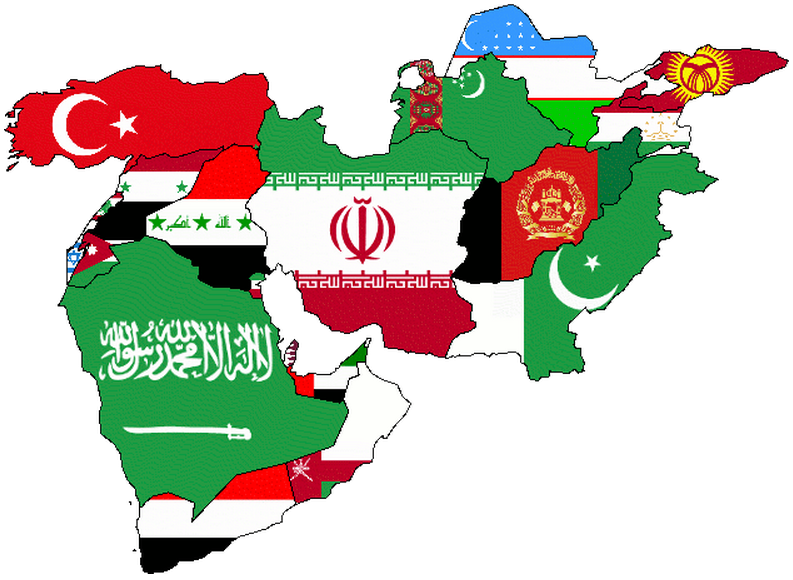
Cost of Living – Middle East July 2012

Abu Dhabi is the Middle East’s most expensive place to live in July 2012 overall. Abu Dhabi is followed by Doha and Dubai.

The most worlds most expensive place to live, based on the overall cost of living, encompassing all cost of living baskets is Hong Kong having overtaken Tokyo to top the latest international cost of living rankings.

Moscow is the worlds most expensive based on the cost of living excluding the housing, education, healthcare and transport baskets, while Manama is most expensive in the Middle East on this basis. Many companies cover these costs on behalf of the employee while on international assignments.

The rankings are based on data collected for 780 international locations, covering every country world-wide.

The cost of living (COL) data collected is representative of an expatriate lifestyle. The components of the COL data are local prices for fixed quantities of the same goods and services in each location, local inflation and exchange rates. Prices in each location are affected by availability (i.e. supply & demand) as well as local pricing regulations and taxes on goods and services (e.g.premiums on luxury brands). Local inflation is usually representative of local price increases which in turn impacts an expatriates purchasing power in the host country. The exchange rate impacts both the price of imports to the host country and the expatriate assignment salary calculation between the home and host country. The cost of living has a significant impact on the purchasing power of an expatriate’s salary package.

As the overall global most expensive place to live, Hong Kong has an overall cost of living index of 149.14, followed by Tokyo with 142.12, and Zurich with 137.12. By contrast Abu Dhabi, which is the 77th most expensive place in the world to live, has an overall cost of living index of 101.68. The overall index is comprised of 13 different basket groups. The assumption using the overall index is that everything is paid from the salary package. In addition, the cost of living calculations are weighted according to typical monthly international expatriate spending patterns. The Household Accommodation Basket for example, has a weighting of 30%, while the Groceries Basket has a weighting of 16.5%. That means that an international expatriate who, for example, earns 10,000 would typically spend 3,000 (30% of 10,000) on housing and 1,650 on groceries.

To provide an assignee, sent from a low cost of living country to a more expensive country, with a similar purchasing power to what they have in their home country, requires an adjustment to their assignment salary. The amount of adjustment depends on which country they come from. The larger the difference in cost of living, the larger the adjustment required to ensure a similar level of purchasing power in the host country.

Abu Dhabi is expensive compared to cities in the Middle East region. Abu Dhabi’s overall cost of living index of 101.68 is similar to cities such as Rome, San Francisco and Montreal. On the other hand London is 18% more expensive, New York 1.7% cheaper and Cape Town 11% cheaper than Abu Dhabi.

Abu Dhabi is particularly expensive for restaurants, meals out and hotels. For example a cappuccino costs around 18 AED / 4.90 USD in Abu Dhabi and around 1.30 EUR / 1.63 USD in Rome. Household accommodation is also expensive in Abu Dhabi. For example a 3 bedroom apartment in Abu Dhabi costs

around 14,000 AED / 3,800 USD rent per month compared to Rome at around 2,400 EUR / 3,000 USD per month. On the other hand a litre of milk which costs around 4.5 AED / 1.20 USD in Abu Dhabi costs around 1.5 EUR / 1.88 USD in Rome.

Cost of Living Rank – Middle East Locations – Overall Cost of Living & All Baskets (Highest to Lowest):

  1. United Arab Emirates, Abu Dhabi
  2. Qatar, Doha
  3. United Arab Emirates, Dubai
  4. Bahrain, Manama
  5. Lebanon, Beirut
  6. Israel, Jerusalem
  7. Iran, Tehran
  8. Kuwait, Kuwait City
  9. Saudi Arabia, Riyadh
  10. Palestinian Territories, West Bank

For full Middle East Cost of Living Rankings go here.

Cost of Living Rank – Middle East Locations – Excluding Housing, Education, Healthcare and Transport Baskets (Highest to Lowest):

  1. Bahrain, Manama
  2. United Arab Emirates, Abu Dhabi
  3. United Arab Emirates, Dubai
  4. Qatar, Doha
  5. Lebanon, Beirut
  6. Israel, Jerusalem
  7. Kuwait, Kuwait City
  8. Jordan, Amman
  9. Iran, Tehran
  10. Iraq, Baghdad

For full Middle East Cost of Living Rankings go here.


About Xpatulator.com’s Cost of Living Data

Xpatulator.com’s cost of living data is based on prices for the same quantity and quality of goods and services, representative of expatriate lifestyle, in each city. The data is collected and updated on a quarterly basis. The cost of living data is used by Xpatulator.com clients to calculate salary purchasing power parity, cost of living allowances, and customized (i.e. clients can select their own base city) cost of living indexes for

expatriate assignments online, using Xpatulator.com’s 3 premium content calculators.

The 13 basket groups do not count equally and are weighted according to expatriate expenditure norms as follows (weighting percentage is in brackets):

1. Alcohol & Tobacco (2%): Alcoholic beverages and tobacco products.

2. Clothing (2.5%): Clothing and footwear products.

3. Communication (2%): Telephone, Internet, Mobile Contract and Calls.

4. Education (5%): Pre-school / Nursery School Fees, School Fees, College Fees, and Tertiary Study Fees.

5. Furniture & Appliances (5%): Furniture, household equipment and appliances.

6. Groceries (16.5%): Food, non-alcoholic beverages and cleaning materials.

7. Healthcare (5%): Doctor Consultation rates, Private Ward Rate, Prescription Medicine, and Private Medical Insurance Contributions.

8. Household (30%): Housing rental, utilities, local rates and residential taxes.

9. Miscellaneous (3%): Stationary, Linen and general goods and services.

10. Personal Care (3%): Personal Care products and services.

11. Recreation & Culture (6%): Books, Camera Film, Cinema Ticket, DVD and CD’s, Sports goods, Theatre Tickets.

12. Restaurants Meals Out and Hotels (2%): Dinner at Restaurant (non fast food), Hotel Rates, Take Away, Drinks & Snacks (fast Food).

13. Transport (18%): Public Transport, Vehicle Costs, Vehicle Fuel, Vehicle Insurance and Vehicle Maintenance.

About Xpatulator.com

Xpatulator.com is the most comprehensive source of international cost of living information. We provide free international cost of living overviews and rank information covering 13 cost of living baskets and every country around the world as well as premium content calculators.

Founded in 2007, Xpatulator.com’s mission is to organize the world’s cost of living indices, exchange rates and relative hardship indices and make it accessible and useful to all.

This article may be freely copied as long as reference is made to http://www.xpatulator.com/

Posted in COLA, COLI, cost of living rankings | Tagged , , , , , | Comments Off on Cost of Living – Middle East July 2012

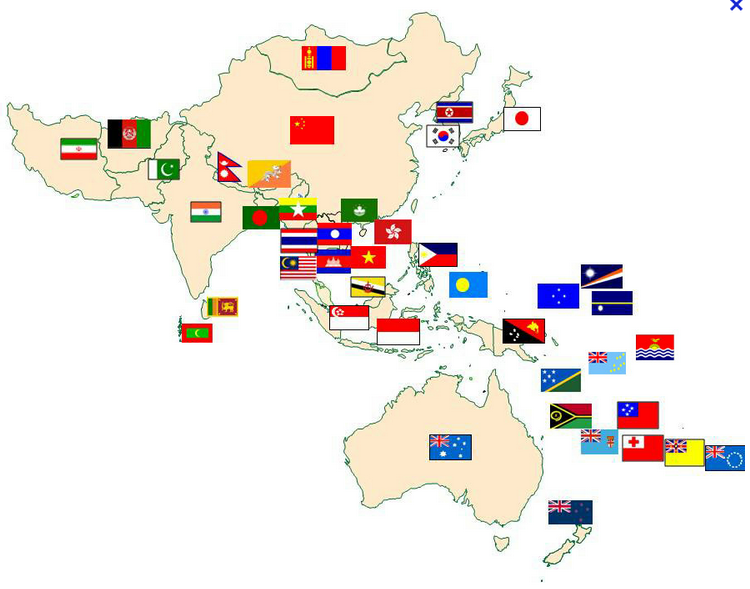
Cost of Living – Asia Pacific July 2012

The most worlds most expensive place to live in July 2012 is in Asia Pacific. Hong Kong, based on the overall cost of living, encompassing all cost of living baskets has overtaken Tokyo to top the latest international cost of living rankings. The rankings are based on data collected for 780 international locations, covering every country world-wide.

Moscow is the worlds most expensive based on the cost of living excluding the housing, education, healthcare and transport baskets, while Sydney is most expensive in Asia Pacific on this basis. Many companies cover these costs on behalf of the employee while on international assignments.

The cost of living (COL) data collected is representative of an expatriate lifestyle. The components of the COL data are local prices for fixed quantities of the same goods and services in each location, local inflation and exchange rates. Prices in each location are affected by availability (i.e. supply & demand) as well as local pricing regulations and taxes on goods and services (e.g.premiums on luxury brands). Local inflation is usually representative of local price increases which in turn impacts an expatriates purchasing power in the host country. The exchange rate impacts both the price of imports to the host country and the expatriate assignment salary calculation between the home and host country. The cost of living has a significant impact on the purchasing power of an expatriate’s salary package.

As the overall global most expensive place to live, Hong Kong has an overall cost of living index of 149.14, followed by Tokyo with 142.12, and Zurich with 137.12. The overall index is comprised of 13 different basket groups. The assumption using the overall index is that everything is paid from the salary package. In addition, the cost of living calculations are weighted according to typical monthly international expatriate spending patterns. The Household Accommodation Basket for example, has a weighting of 30%, while the Groceries Basket has a weighting of 16.5%. That means that an international expatriate who, for example, earns 10,000 would typically spend 3,000 (30% of 10,000) on housing and 1,650 on groceries.

Much of the developed world has historically embedded high cost of living structures such as housing, education, healthcare and transport that keep them amongst the most expensive places to live. The major factor contributing to this is the relatively higher level of pay in the developed world, particularly amongst lower level jobs. Asia-Pacific has 25 places in the top 50 based on the overall cost of living index but only 12 out of 50 places based on the cost of living excluding housing, education, healthcare and transport costs.

To provide an assignee, sent from a low cost of living country to a more expensive country, with a similar purchasing power to what they have in their home country, requires an adjustment to their assignment salary. The amount of adjustment depends on which country they come from. The larger the difference in cost of living, the larger the adjustment required to ensure a similar level of purchasing power in the host country.

Hong Kong is approximately 5% more expensive than Tokyo based on the overall cost of living including household accommodation, however if the housing, education, healthcare and transport baskets are excluded, Tokyo is actually around 27% more expensive than Hong Kong. Household accommodation comprises 30% of the overall cost of living index. Hong Kong is very expensive for household accommodation. A 3 bedroomed apartment in Hong Kong costs around 46,000 HKD / 6,000 USD per month to rent compared 300,000 JPY / 3,800 USD in Tokyo, 4,000 AUD/USD in Sydney and 2,700 EUR / 3,400 USD in Zurich.

In January 2008, 1 Japanese Yen bought USD 0.009, by January 2012 the Yen had strengthened by 44% to 0.013 USD. The positive impact on expatriates based in Japan is that imported goods priced in USD would have become a great deal cheaper in local currency. However expatriates earning US Dollar salary packages will have seen a significant drop salary when converted to local currency, unless assignment salary adjustments were made. In January 2008 an expat based in Japan, earning 100,000 USD per annum, was on the equivalent of around 11.1 million JPY using the ruling exchange rate at the time. If no adjustment was made to the 100,000 USD, the equivalent in January 2012 converted to local currency was 7.7 million JPY which represents a considerable drop in purchasing power. During this period Japan’s inflation has ranged between 0.1% and 1.3% per annum. The impact of the significant change in the exchange rate from 2008 to 2012 is that in order to maintain purchasing power in Japan at 2008 levels, the 100,000 USD expatriate salary package would have to be increased to around 144,000 USD in 2012. To provide an assignee, sent from a low cost of living location to a more expensive country, with a similar purchasing power to what they have in their home country, requires an adjustment to their assignment salary. The amount of adjustment depends on which country they come from. The larger the difference in cost of living, the larger the adjustment required to ensure a similar level of purchasing power in the host country. For example an assignee sent from Houston with a cost of living index of 67.43 to Tokyo with a cost of living index of 142.12 would experience around 110% (i.e. more than double) increase in the cost of living. Therefore as at July 2012 an assignee earning 100,000 USD in Houston would need to earn around 210,000 USD in Tokyo to have the same purchasing power as they had in Houston.

Mumbai is the most expensive place in South Asia, but is still considered much cheaper than many western cities. Mumbai’s overall cost of living is significantly lower than cities such as London (48% more expensive than Mumbai), Rome (25% more expensive), New York (23% more expensive) and Cape Town (11% more expensive). Although, within the context of the region, Mumbai is considered particularly expensive for household accommodation and groceries, a 3 bedroomed apartment in Mumbai costs around 67,000 INR / 1,200 USD rent per month compared to Rome at around 2,400 EUR / 3,000 USD per month. Similarly a litre of milk which costs around 40 INR / 0.72 USD in Mumbai costs around 10 ZAR / 1.20 USD in Cape Town.

Cost of Living Rank – Asia Pacific Locations – Top 10 Overall Cost of Living & All Baskets (Highest to Lowest):

  1. China, Hong Kong
  2. Japan, Tokyo
  3. Australia, Sydney
  4. Australia, Canberra
  5. Japan, Yokohama
  6. Singapore, Singapore
  7. Australia, Perth
  8. Australia, Melbourne
  9. Japan, Osaka
  10. China, Shanghai

For the full Asia Pacific cost of living ranking list go here.

Cost of Living Rank – Asia Pacific Locations – Top 10 Excluding Housing, Education, Healthcare and Transport Baskets (Highest to Lowest):

  1. Australia, Sydney
  2. Australia, Canberra
  3. Japan, Tokyo
  4. Australia, Melbourne
  5. Australia, Perth
  6. Samoa, Apia
  7. Kiribati, South Tarawa
  8. Solomon Islands, Honiara
  9. Australia, Brisbane
  10. New Caledonia, Noumea

For the full Asia Pacific cost of living ranking list go here.

About Xpatulator.com’s Cost of Living Data

Xpatulator.com’s cost of living data is based on prices for the same quantity and quality of goods and services, representative of expatriate lifestyle, in each city. The data is collected and updated on a quarterly basis. The cost of living data is used by Xpatulator.com clients to calculate salary purchasing power parity, cost of living allowances, and customized (i.e. clients can select their own base city) cost of living indexes for expatriate assignments online, using Xpatulator.com’s 3 premium content calculators.

The 13 basket groups do not count equally and are weighted according to expatriate expenditure norms as follows (weighting percentage is in brackets):

1. Alcohol & Tobacco (2%): Alcoholic beverages and tobacco products.
2. Clothing (2.5%): Clothing and footwear products.
3. Communication (2%): Telephone, Internet, Mobile Contract and Calls.
4. Education (5%): Creche Fees, School Fees, College Fees, and Tertiary Study Fees.
5. Furniture & Appliances (5%): Furniture, household equipment and appliances.
6. Groceries (16.5%): Food, non-alcoholic beverages and cleaning materials.
7. Healthcare (5%): Doctor Consultation rates, Private Ward Rate, Prescription Medicine, and Private Medical Insurance Contributions.
8. Household (30%): Housing rental, utilities, local rates and residential taxes.
9. Miscellaneous (3%): Stationary, Linen and general goods and services.
10. Personal Care (3%): Personal Care products and services.
11. Recreation & Culture (6%): Books, Camera Film, Cinema Ticket, DVD and CD’s, Sports goods, Theatre Tickets.
12. Restaurants Meals Out and Hotels (2%): Dinner at Restaurant (non fast food), Hotel Rates, Take Away, Drinks & Snacks (fast Food).
13. Transport (18%): Public Transport, Vehicle Costs, Vehicle Fuel, Vehicle Insurance and Vehicle Maintenance.

About Xpatulator.com
Xpatulator.com is the most comprehensive source of international cost of living information. We provide free international cost of living overviews and rank information covering 13 cost of living baskets and every country around the world as well as premium content calculators.

Founded in 2007, Xpatulator.com’s mission is to organize the world’s cost of living indices, exchange rates and relative hardship indices and make it accessible and useful to all.
This article may be freely copied as long as reference is made to http://www.xpatulator.com/


Posted in cost of living ranking | Tagged , , , , , | Comments Off on Cost of Living – Asia Pacific July 2012

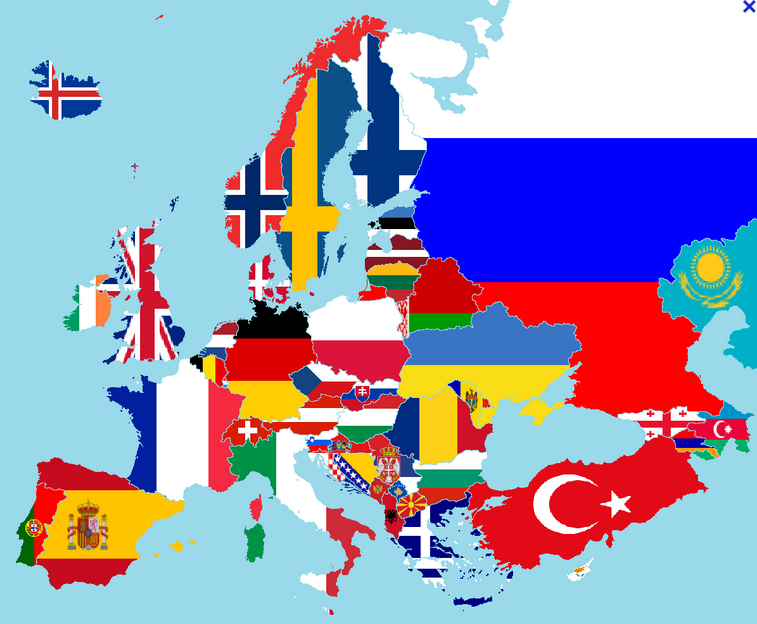
Cost of Living – Europe July 2012

Zurich remains the most expensive place to live in Europe based on the overall cost of living, followed by Geneva and Moscow. The worlds most expensive place to live, based on the overall cost of living as at July 2012, encompassing all cost of living baskets is Hong Kong having overtaken Tokyo to top the latest international cost of living rankings.

Zurich has an overall cost of living index of 137.12 and Moscow 120.96 compared to Hong Kong with an overall cost of living index of 149.14, followed by Tokyo with 142.12. The overall index is comprised of 13 different basket groups. The assumption using the overall index is that everything is paid from the salary package. In addition, the cost of living calculations are weighted according to typical monthly international expatriate spending patterns. The Household Accommodation Basket for example, has a weighting of 30%, while the Groceries Basket has a weighting of 16.5%. That means that an international expatriate who, for example, earns 10,000 would typically spend 3,000 (30% of 10,000) on housing and 1,650 on groceries.

Zurich and Geneva are particularly expensive for groceries, restaurants meals out, hotels and transport. For example a cappuccino costs around 4.20 EUR / 5.30 USD in Zurich compared to 4.40 USD in Moscow, 2.35 GBP / 3.70 USD in London and 3.60 USD in New York. A litre of petrol / gasoline costs around 1.60 EUR / 2.00 USD in Zurich compared to 0.95 USD in Moscow, 1.30 GBP / 2.04 USD in London and 1.02 USD in New York.

Moscow is Europe and the world’s most expensive place to live based on the cost of living excluding the housing, education, healthcare and transport baskets, followed in turn by Zurich and Geneva. Many companies cover these costs on behalf of the employee while on international assignments.

Moscow is particularly expensive for furniture & appliances, clothing, groceries and miscellaneous items such as stationary, linen and general goods and services. Whilst none of these baskets are the most expensive in the world, the overall average is highest, pushing Moscow into the most expensive ranks. The housing, education, healthcare and transport baskets are not as expensive as the other high cost of living places which is why overall (inclusive of all baskets) Moscow is only ranked 15th most expensive. The Russian Ruble has weakend steadily over the past 4 years making imports expensive. The Russian Ruble recently plummeted to its lowest level in more than three years against the US dollar, mainly as a result of falling oil prices and European sovereign debt worries. In January 2008 1 ruble bought USD 0.041, in January 2011 this had dropped to 0.033 and it has recently dropped below 0.030. The impact on expatriates in Moscow is that imported goods have become a great deal costlier. To provide an assignee in Moscow, with a similar purchasing power to what they had in previous years, requires an adjustment to their assignment salary. The amount of adjustment depends on which country they come from. The larger the difference in cost of living, the larger the adjustment required to ensure a similar level of purchasing power in Moscow, or any other host country for that matter.

The rankings are based on data collected for 780 international locations, covering every country world-wide.

The cost of living (COL) data collected is representative of an expatriate lifestyle. The components of the COL data are local prices for fixed quantities of the same goods and services in each location, local inflation and exchange rates. Prices in each location are affected by availability (i.e. supply & demand) as well as local pricing regulations and taxes on goods and services (e.g.premiums on luxury brands). Local inflation is usually representative of local price increases which in turn impacts an expatriates purchasing power in the host country. The exchange rate impacts both the price of imports to the host country and the expatriate assignment salary calculation between the home and host country. The cost of living has a significant impact on the purchasing power of an expatriate’s salary package.

Cost of Living Rank – Europe Locations – Overall Cost of Living & All Baskets (Highest to Lowest):

  1. Switzerland,Zurich
  2. Switzerland, Geneva
  3. Russia, Moscow
  4. United Kingdom, London
  5. Liechtenstein, Vaduz
  6. Denmark, Copenhagen
  7. Norway, Oslo
  8. Monaco, Monaco
  9. Sweden, Stockholm
  10. France, Paris

For the full listing go here.

Cost of Living Rank – Europe Locations – Excluding Housing, Education, Healthcare and Transport Baskets (Highest to Lowest):

  1. Russia, Moscow
  2. Switzerland, Zurich
  3. Switzerland, Geneva
  4. Denmark, Copenhagen
  5. Norway, Oslo
  6. Russia, Vladivostok
  7. Liechtenstein, Vaduz
  8. Russia, Kaliningrad
  9. Russia, St. Petersburg
  10. Russia, Nizhny Novgorod

For the full listing go here.

About Xpatulator.com’s Cost of Living Data

Xpatulator.com’s cost of living data is based on prices for the same quantity and quality of goods and services, representative of expatriate lifestyle, in each city. The data is collected and updated on a quarterly basis. The cost of living data is used by Xpatulator.com clients to calculate salary purchasing power parity, cost of living allowances, and customized (i.e. clients can select their own base city) cost of living indexes for expatriate assignments online, using Xpatulator.com’s 3 premium content calculators.

The 13 basket groups do not count equally and are weighted according to expatriate expenditure norms as follows (weighting percentage is in brackets):

1. Alcohol & Tobacco (2%): Alcoholic beverages and tobacco products.

2. Clothing (2.5%): Clothing and footwear products.

3. Communication (2%): Telephone, Internet, Mobile Contract and Calls.

4. Education (5%): Creche Fees, School Fees, College Fees, and Tertiary Study Fees.

5. Furniture & Appliances (5%): Furniture, household equipment and appliances.

6. Groceries (16.5%): Food, non-alcoholic beverages and cleaning materials.

7. Healthcare (5%): Doctor Consultation rates, Private Ward Rate, Prescription Medicine, and Private Medical Insurance Contributions.

8. Household (30%): Housing rental, utilities, local rates and residential taxes.

9. Miscellaneous (3%): Stationary, Linen and general goods and services.

10. Personal Care (3%): Personal Care products and services.

11. Recreation & Culture (6%): Books, Camera Film, Cinema Ticket, DVD and CD’s, Sports goods, Theatre Tickets.

12. Restaurants Meals Out and Hotels (2%): Dinner at Restaurant (non fast food), Hotel Rates, Take Away, Drinks & Snacks (fast Food).

13. Transport (18%): Public Transport, Vehicle Costs, Vehicle Fuel, Vehicle Insurance and Vehicle Maintenance.

About Xpatulator.com

Xpatulator.com is the most comprehensive source of international cost of living information. We provide free international cost of living overviews and rank information covering 13 cost of living baskets and every country around the world as well as premium content calculators.

Founded in 2007, Xpatulator.com’s mission is to organize the world’s cost of living indices, exchange rates and relative hardship indices and make it accessible and useful to all.

This article may be freely copied as long as reference is made to http://www.xpatulator.com/

Posted in cost of living ranking, cost of living rankings | Tagged , , , , , | Comments Off on Cost of Living – Europe July 2012

Cost of Living – Africa July 2012

The oil rich countries of Angola and Nigeria are the most expensive places to live for expatriates in Africa. Luanda is Africa’s most expensive place to live in July 2012, overall. Luanda is followed by Abuja and Lagos in Nigeria.

Moscow is the worlds most expensive based on the cost of living excluding the housing, education, healthcare and transport baskets, while Bangui in the Central African Republic is most expensive in Africa on this basis. Many companies cover these costs on behalf of the employee while on international assignments.

The worlds most expensive place to live, based on the overall cost of living, encompassing all cost of living baskets is Hong Kong having overtaken Tokyo to top the latest international cost of living rankings.

The rankings are based on data collected for 780 international locations, covering every country world-wide.

The cost of living (COL) data collected is representative of an expatriate lifestyle. The components of the COL data are local prices for fixed quantities of the same goods and services in each location, local inflation and exchange rates. Prices in each location are affected by availability (i.e. supply & demand) as well as local pricing regulations and taxes on goods and services (e.g.premiums on luxury brands). Local inflation is usually representative of local price increases which in turn impacts an expatriates purchasing power in the host country. The exchange rate impacts both the price of imports to the host country and the expatriate assignment salary calculation between the home and host country. The cost of living has a significant impact on the purchasing power of an expatriate’s salary package.

Luanda, which is the 24th most expensive place in the world to live, has an overall cost of living index of 116.01. By contrast the overall global most expensive place to live, Hong Kong, has an overall cost of living index of 149.14, followed by Tokyo with 142.12, and Zurich with 137.12.  The overall index is comprised of 13 different basket groups. The assumption using the overall index is that everything is paid from the salary package. In addition, the cost of living calculations are weighted according to typical monthly international expatriate spending patterns. The Household Accommodation Basket for example, has a weighting of 30%, while the Groceries Basket has a weighting of 16.5%. That means that an international expatriate who, for example, earns 10,000 would typically spend 3,000 (30% of 10,000) on housing and 1,650 on groceries.

To provide an assignee, sent from a low cost of living country to a more expensive country, with a similar purchasing power to what they have in their home country, requires an adjustment to their assignment salary. The amount of adjustment depends on which country they come from. The larger the difference in cost of living, the larger the adjustment required to ensure a similar level of purchasing power in the host country.

Luanda’s overall cost of living index of 116.01 is similar to cities such as Brisbane, Copenhagen and Kobe in Japan. In comparison London is 1.5% more expensive, New York 14% cheaper and Cape Town 22% cheaper than Luanda.

Luanda is particularly expensive for restaurants, meals out and hotels. For example a cappucino costs around 4.40 USD in Luanda and around 3.70 AUD/USD in Brisbane. Household accommodation is also expensive in Luanda. For example a 3 bedroomed apartment in Luanda costs around 7,000 USD rent per month compared to Copenhagen at around 1,900 EUR / 2,400 USD per month. Not everything in Luanda is expensive. For example a litre of petrol which costs around 0.60 USD in Luanda costs around 190 JPY / 2.40 USD in Kobe in Japan.

Cost of Living Rank – Africa Locations – Top 10 Overall Cost of Living & All Baskets (Highest to Lowest):

  1. Angola, Luanda
  2. Nigeria, Abuja
  3. Nigeria, Lagos
  4. Nigeria, Kano
  5. Nigeria, Ibadan
  6. Sudan, Khartoum
  7. Equatorial Guinea, Malabo
  8. Malawi, Lilongwe
  9. Central African Republic, Bangui
  10. Saint Helena, Jamestown

For the full cost of living ranking list go here.

Cost of Living Rank – Africa Locations – Top 10  Excluding Housing, Education, Healthcare and Transport Baskets (Highest to Lowest):

  1. Central African Republic, Bangui
  2. Eritrea, Asmara
  3. Nigeria, Lagos
  4. Nigeria, Abuja
  5. Angola, Luanda
  6. Congo, Brazzaville
  7. Senegal, Dakar
  8. Nigeria, Kano
  9. Nigeria, Ibadan
  10. Gabon, Libreville

For the full cost of living ranking list go here.

About Xpatulator.com’s Cost of Living Data

Xpatulator.com’s cost of living data is based on prices for the same quantity and quality of goods and services, representative of expatriate lifestyle, in each city. The data is collected and updated on a quarterly basis. The cost of living data is used by Xpatulator.com clients to calculate salary purchasing power parity, cost of living allowances, and customized (i.e. clients can select their own base city) cost of living indexes for expatriate assignments online, using Xpatulator.com’s 3 premium content calculators.

The 13 basket groups do not count equally and are weighted according to expatriate expenditure norms as follows (weighting percentage is in brackets):
1. Alcohol & Tobacco (2%): Alcoholic beverages and tobacco products.
2. Clothing (2.5%): Clothing and footwear products.
3. Communication (2%): Telephone, Internet, Mobile Contract and Calls.
4. Education (5%): Creche Fees, School Fees, College Fees, and Tertiary Study Fees.
5. Furniture & Appliances (5%): Furniture, household equipment and appliances.
6. Groceries (16.5%): Food, non-alcoholic beverages and cleaning materials.
7. Healthcare (5%): Doctor Consultation rates, Private Ward Rate, Prescription Medicine, and Private Medical Insurance Contributions.
8. Household (30%): Housing rental, utilities, local rates and residential taxes.
9. Miscellaneous (3%): Stationary, Linen and general goods and services.
10. Personal Care (3%): Personal Care products and services.
11. Recreation & Culture (6%): Books, Camera Film, Cinema Ticket, DVD and CD’s, Sports goods, Theatre Tickets.
12. Restaurants Meals Out and Hotels (2%): Dinner at Restaurant (non fast food), Hotel Rates, Take Away, Drinks & Snacks (fast Food).
13. Transport (18%): Public Transport, Vehicle Costs, Vehicle Fuel, Vehicle Insurance and Vehicle Maintenance.

About Xpatulator.com
Xpatulator.com is the most comprehensive source of international cost of living information. We provide free international cost of living overviews and rank information covering 13 cost of living baskets and every country around the world as well as premium content calculators.
Founded in 2007, Xpatulator.com’s mission is to organize the world’s cost of living indices, exchange rates and relative hardship indices and make it accessible and useful to all.

This article may be freely copied as long as reference is made to http://www.xpatulator.com/

Posted in COLA, COLI, cost of living allowance, cost of living calculator, International Cost of Living | Tagged , , , , , | Comments Off on Cost of Living – Africa July 2012

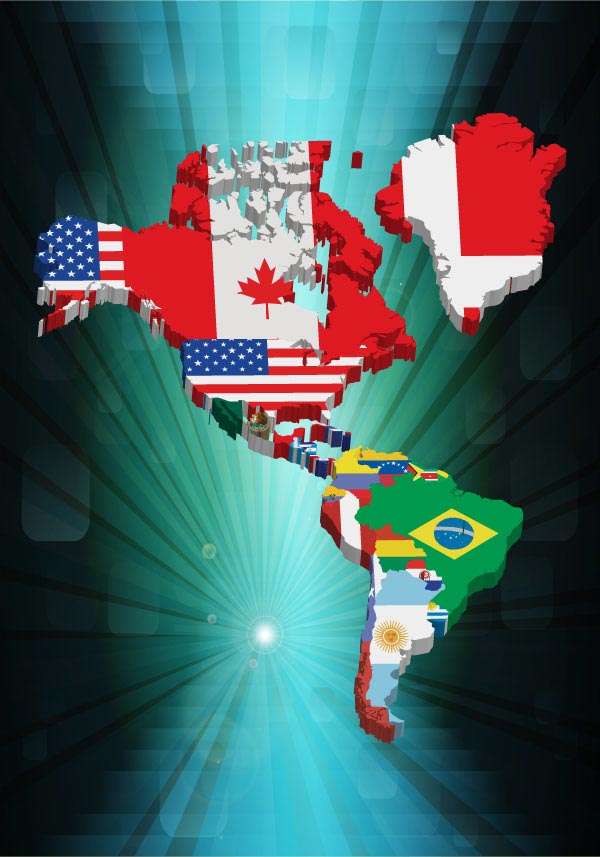
Cost of Living – America July 2012

The oil rich countries of Venezuela and Brazil are the most expensive places to live for expatriates in the Americas. Caracas is the Americas most expensive place to live in July 2012, both overall and based on the cost of living excluding the housing, education, healthcare and transport baskets. Caracas is followed by Sao Paulo and Rio de Janeiro in Brazil.

The most worlds most expensive place to live, based on the overall cost of living, encompassing all cost of living baskets is Hong Kong having overtaken Tokyo to top the latest international cost of living rankings. Moscow is the most worlds most expensive place to live in July 2012 based on the cost of living excluding the housing, education, healthcare and transport baskets. Many companies cover these costs on behalf of the employee while on international assignments.

The rankings are based on data collected for 780 international locations, covering every country world-wide.

The cost of living (COL) data collected is representative of an expatriate lifestyle. The components of the COL data are local prices for fixed quantities of the same goods and services in each location, local inflation and exchange rates. Prices in each location are affected by availability (i.e. supply & demand) as well as local pricing regulations and taxes on goods and services (e.g.premiums on luxury brands). Local inflation is usually representative of local price increases which in turn impacts an expatriates purchasing power in the host country. The exchange rate impacts both the price of imports to the host country and the expatriate assignment salary calculation between the home and host country. The cost of living has a significant impact on the purchasing power of an expatriate’s salary package.

Caracas, which is the 5th most expensive place in the world to live, has an overall cost of living index of 135.70. The overall global most expensive place to live, Hong Kong has an overall cost of living index of 149.14, followed by Tokyo with 142.12, and Zurich with 137.12. The overall index is comprised of 13 different basket groups. The assumption using the overall index is that everything is paid from the salary package. In addition, the cost of living calculations are weighted according to typical monthly international expatriate spending patterns. The Household Accommodation Basket for example, has a weighting of 30%, while the Groceries Basket has a weighting of 16.5%. That means that an international expatriate who, for example, earns 10,000 would typically spend 3,000 (30% of 10,000) on housing and 1,650 on groceries.

To provide an assignee, sent from a low cost of living country to a more expensive country, with a similar purchasing power to what they have in their home country, requires an adjustment to their assignment salary. The amount of adjustment depends on which country they come from. The larger the difference in cost of living, the larger the adjustment required to ensure a similar level of purchasing power in the host country.

Caracas is particularly expensive for clothing, education and groceries. For example a litre of milk costs around 1.50 USD and a loaf of white bread 1.80 USD in Caracas compared to 0.90 GBP / 1.40 USD and 1.03 GBP / 1.62 USD respectively in London. Not everything in Caracas is expensive. For example a litre of petrol which costs around 0.13 USD in Caracas, costs around 1.02 USD in New York.

Sao Paulo is particularly expensive for clothing, furniture, appliances, and personal care. In addition a litre of petrol/gasoline costs around 1.45 USD in Sao Paulo compared to 0.60 in Luanda, 0.47 in Abu Dhabi and 0.27 USD in Doha.

Cost of Living Rank – The Americas Locations – Overall Cost of Living & All Baskets (Highest to Lowest):

  1. Venezuela, Caracas
  2. Brazil, Sao Paulo
  3. Brazil, Rio de Janeiro
  4. USA, New York (Manhattan) NY
  5. Brazil, Brasilia
  6. USA, New York (Brooklyn) NY
  7. Canada, Toronto
  8. USA, Honolulu HI
  9. Canada, Vancouver
  10. Canada, Edmonton

The full cost of living rankings can be found here.


Cost of Living Rank – The Americas Locations – Excluding Housing, Education, Healthcare and Transport Baskets (Highest to Lowest):

  1. Venezuela, Caracas
  2. Brazil, Sao Paulo
  3. Brazil, Rio de Janeiro
  4. USA, New York (Manhattan) NY
  5. Brazil, Brasilia
  6. USA, New York (Brooklyn) NY
  7. USA, Honolulu HI
  8. Canada, Toronto
  9. USA, New York (Queens) NY
  10. Canada, Vancouver

The full cost of living rankings can be found here.

About Xpatulator.com’s Cost of Living Data

Xpatulator.com’s cost of living data is based on prices for the same quantity and quality of goods and services, representative of expatriate lifestyle, in each city. The data is collected and updated on a quarterly basis. The cost of living data is used by Xpatulator.com clients to calculate salary purchasing power parity, cost of living allowances, and customized (i.e. clients can select their own base city) cost of living indexes for expatriate assignments online, using Xpatulator.com’s 3 premium content calculators.

The 13 basket groups do not count equally and are weighted according to expatriate expenditure norms as follows (weighting percentage is in brackets):

1. Alcohol & Tobacco (2%): Alcoholic beverages and tobacco products.
2. Clothing (2.5%): Clothing and footwear products.
3. Communication (2%): Telephone, Internet, Mobile Contract and Calls.
4. Education (5%): Creche Fees, School Fees, College Fees, and Tertiary Study Fees.
5. Furniture & Appliances (5%): Furniture, household equipment and appliances.
6. Groceries (16.5%): Food, non-alcoholic beverages and cleaning materials.
7. Healthcare (5%): Doctor Consultation rates, Private Ward Rate, Prescription Medicine, and Private Medical Insurance Contributions.
8. Household (30%): Housing rental, utilities, local rates and residential taxes.
9. Miscellaneous (3%): Stationary, Linen and general goods and services.
10. Personal Care (3%): Personal Care products and services.
11. Recreation & Culture (6%): Books, Camera Film, Cinema Ticket, DVD and CD’s, Sports goods, Theatre Tickets.
12. Restaurants Meals Out and Hotels (2%): Dinner at Restaurant (non fast food), Hotel Rates, Take Away, Drinks & Snacks (fast Food).
13. Transport (18%): Public Transport, Vehicle Costs, Vehicle Fuel, Vehicle Insurance and Vehicle Maintenance.

About Xpatulator.com
Xpatulator.com is the most comprehensive source of international cost of living information. We provide free international cost of living overviews and rank information covering 13 cost of living baskets and every country around the world as well as premium content calculators.

Founded in 2007, Xpatulator.com’s mission is to organize the world’s cost of living indices, exchange rates and relative hardship indices and make it accessible and useful to all.

This article may be freely copied as long as reference is made to http://www.xpatulator.com/

Posted in cost of living allowance, cost of living calculator, cost of living index | Tagged , , , , , | Comments Off on Cost of Living – America July 2012